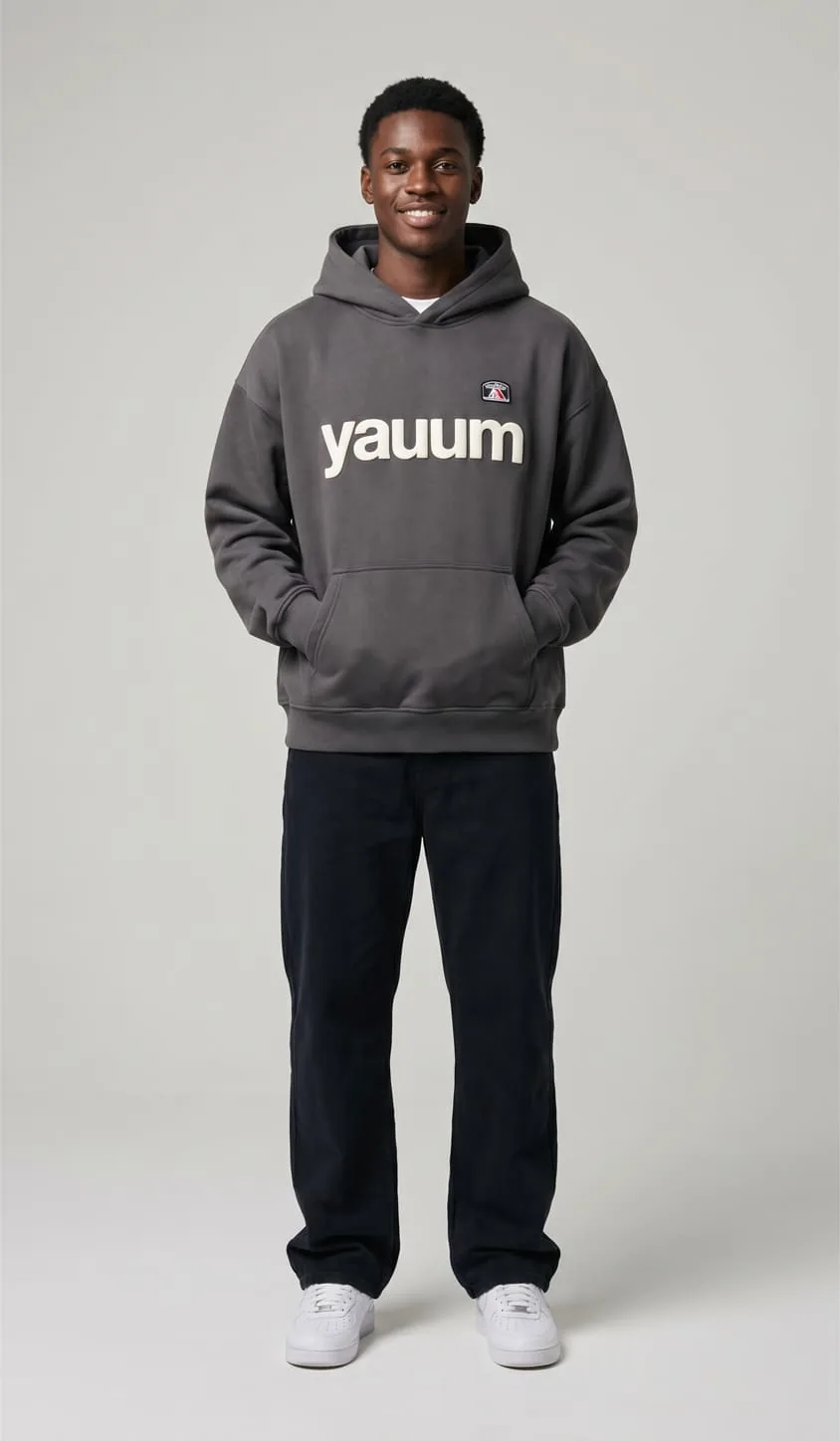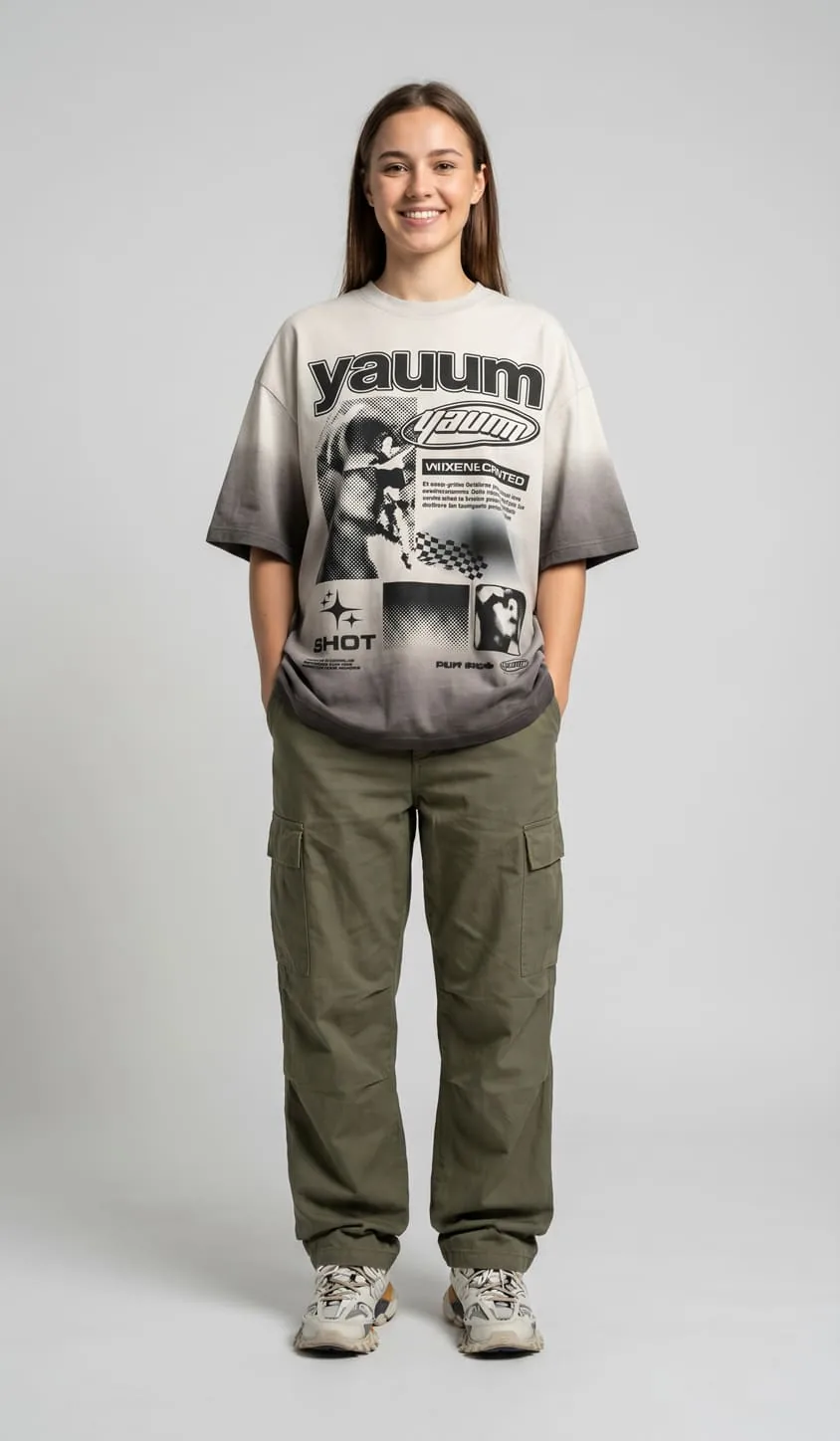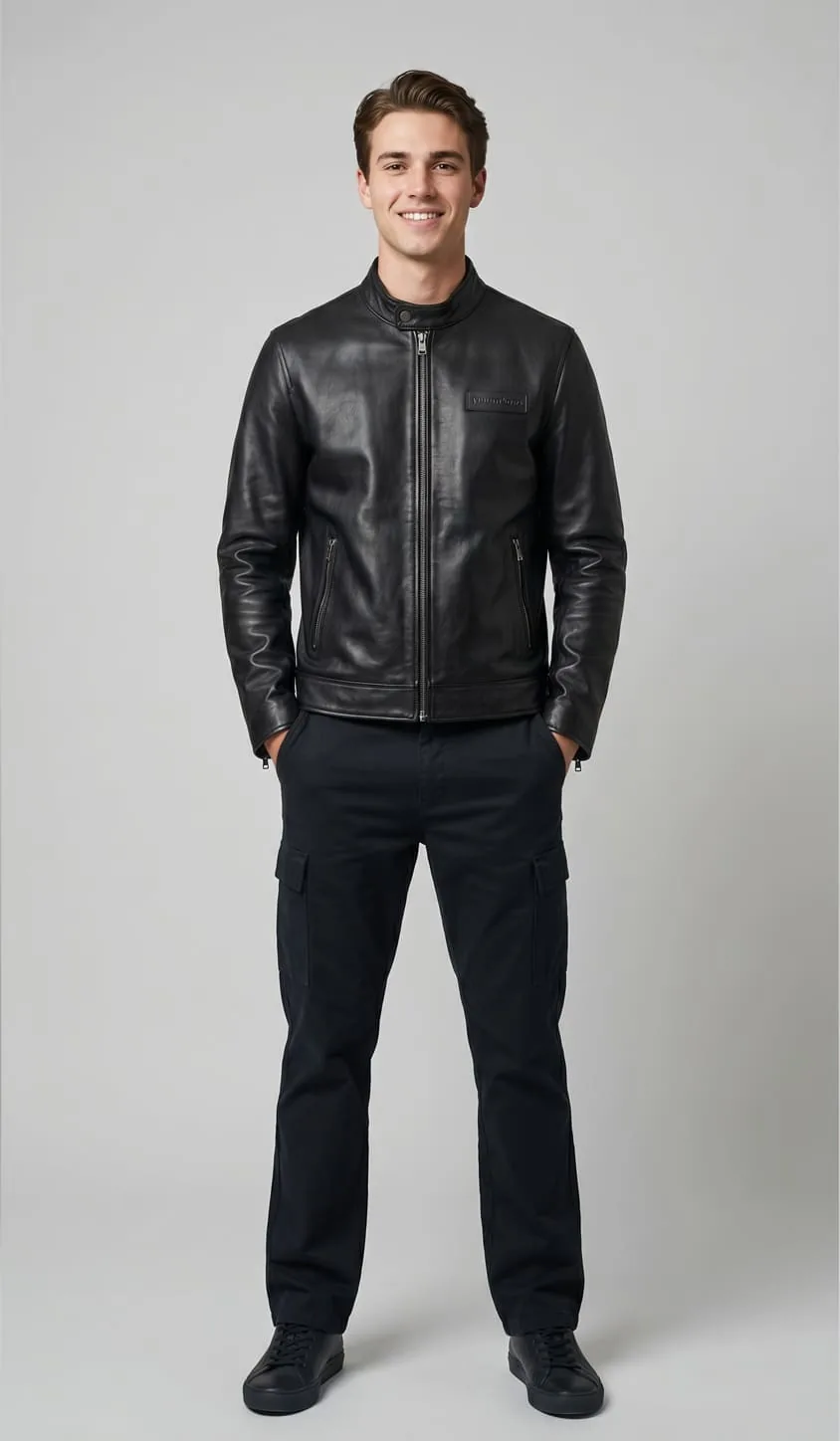
B2B / OEM–ODM / Private label
Streetwear Manufacturing for Private Label Brands
Build coordinated streetwear through silhouette, material, washes or decoration, private labels, sampling, and pack-out rules — the working brief any streetwear manufacturer starts from
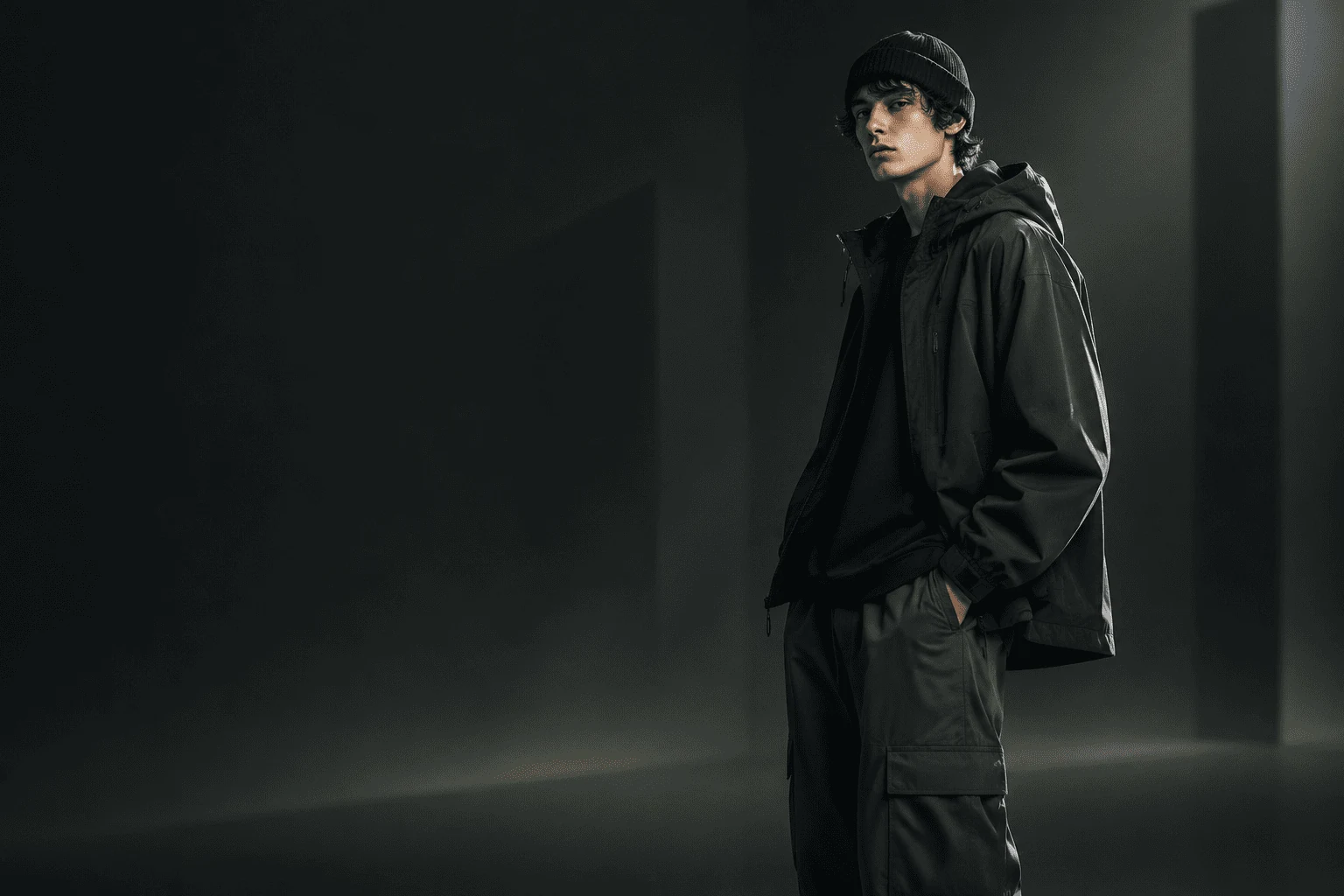
Supplied product reference · materials and specifications require confirmation
01 / Product overview
Custom Streetwear Manufacturing by Yauum
A strong streetwear program starts with a clear shared picture of what's being built. Fit, fabric, construction, branding, sample approval, packing, and delivery all need to be agreed on before pricing or production begins, so both sides are working from the same page instead of guessing at what the other means. Buyers comparing streetwear manufacturers, streetwear clothing manufacturers, or streetwear clothing suppliers tend to check the same things first: fit, fabric, construction, branding, sampling, and packing. For a custom streetwear manufacturer, the brief matters even more, since the pattern starts from your reference rather than an existing block
Product Category and Style Direction
Let us know the streetwear category and general style direction you're working toward, whether that's oversized tees, cargo pants, or layered outerwear. This gives us a starting reference point to build from instead of a blank page
Estimated Quantity and Color Breakdown
Share a rough sense of the quantity you're planning and how it splits across colors. Even an estimate helps us think through cutting, dyeing, and how the production schedule should be laid out
Target Market and Size Range
Tell us who the piece is for and what size range it needs to cover, along with any measurements you already have in mind. The fit conversation starts from here
Branding and Packing Requirements
Artwork, labels, trims, tags, and how the finished pieces should be packed all shape the final look and feel of the product, so it helps to bring these details in early rather than adding them after sampling has already started
Delivery Destination and Timeline
Where the order is heading, when you'd like it to arrive, and any documents needed for customs or retail compliance all affect how the schedule gets planned, so it's worth flagging these upfront rather than partway through
02 / Buyer fit and sizing
Streetwear Fit and Sizing
Fit tends to shape everything that comes after it, from the pattern to the grading to how a fabric actually behaves once it's on the body. That's why it makes sense to settle fit before locking in construction or material decisions
Silhouette and Proportions
We work through the intended shape together, whether that's slim, relaxed, oversized, or boxy, along with how the proportions and drape should sit once worn
Size Range and Grading
Once the base shape is agreed on, we define the size range and the grading logic used to scale that pattern consistently across every size in the run
Measurement Points and Tolerances
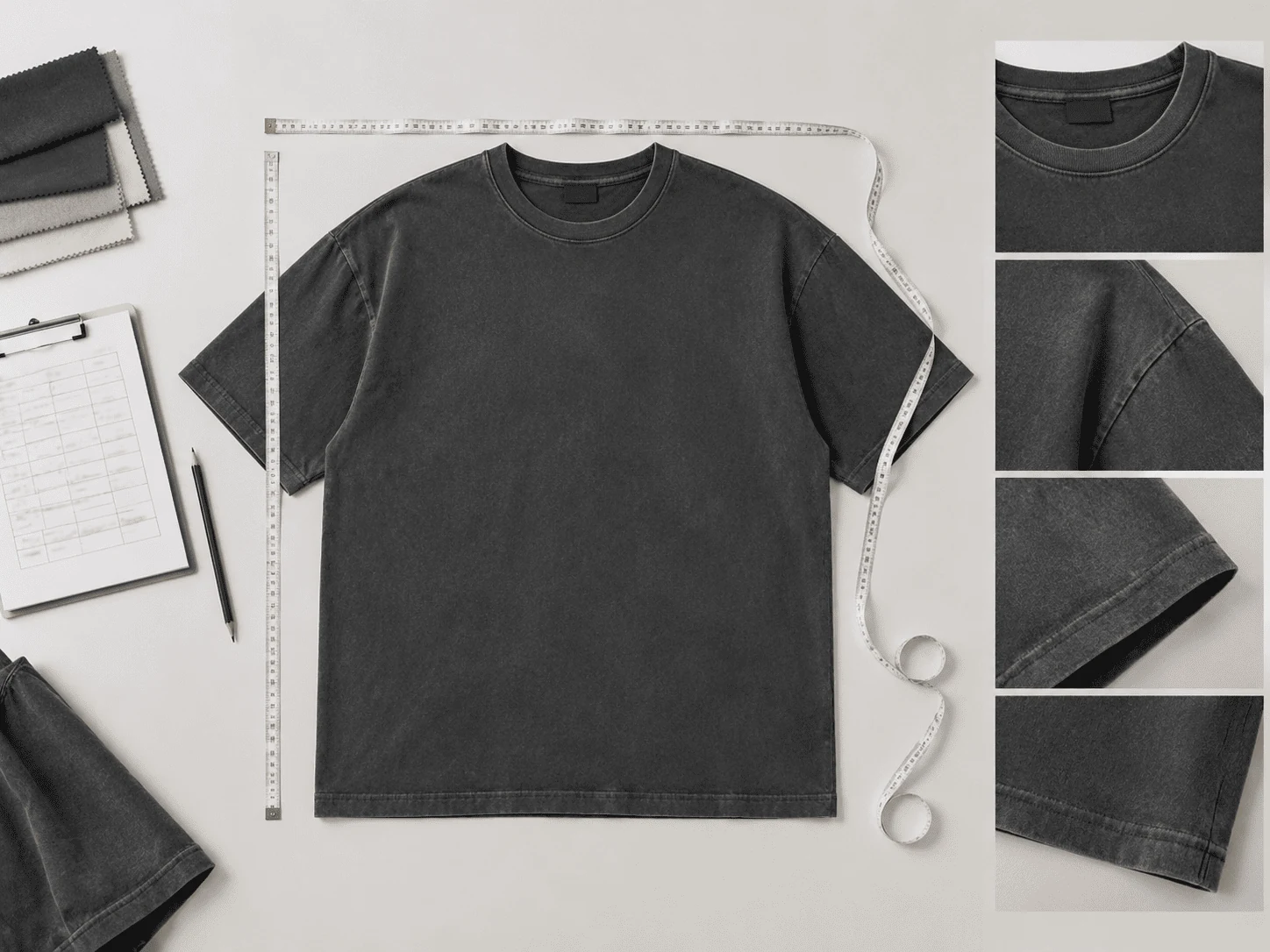
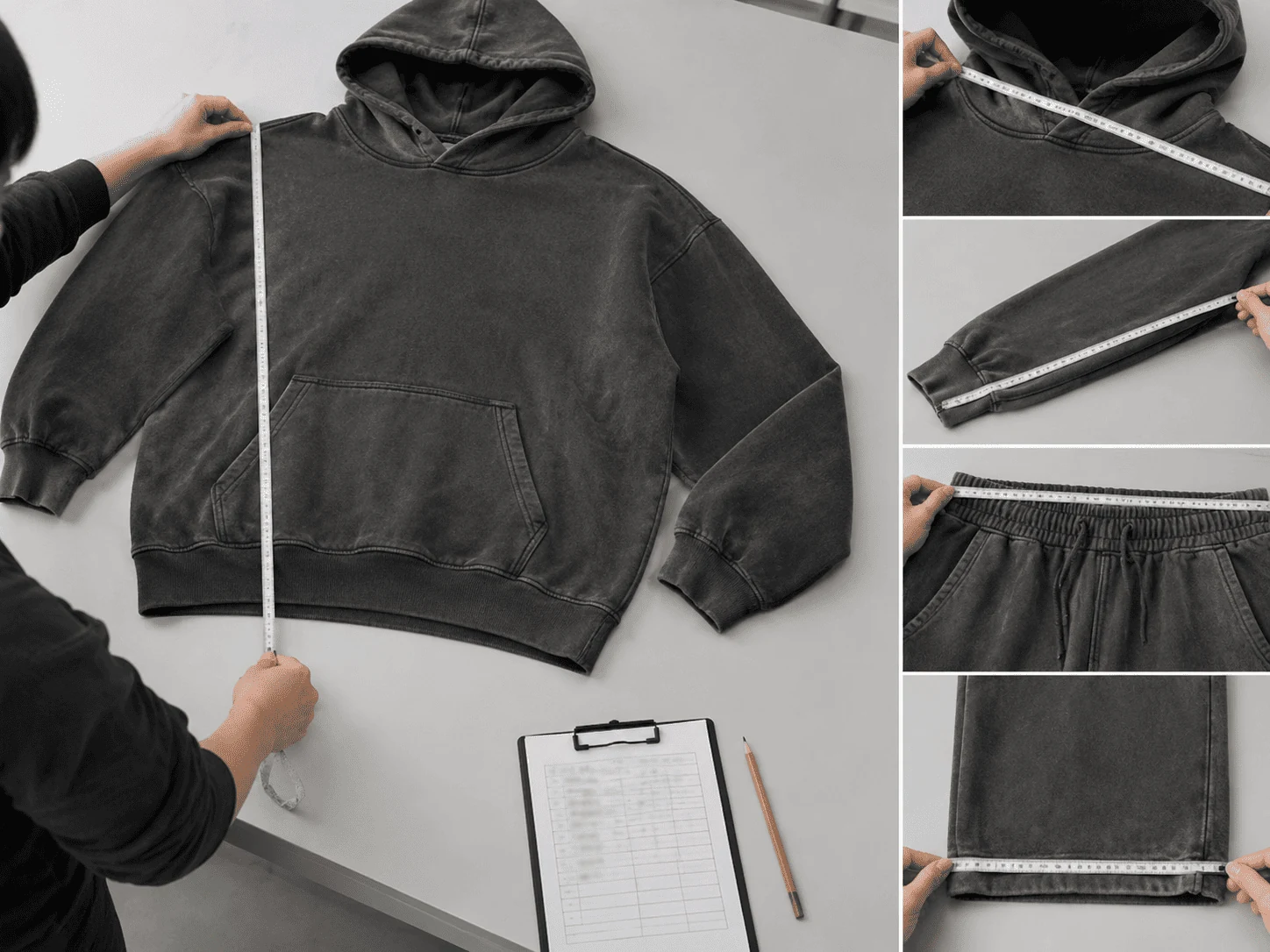
Key measurement points like chest, length, sleeve, and waist get identified together, along with a tolerance range you're comfortable with for each one, so later quality checks have something concrete to measure against
03 / Manufacturing scope
Streetwear Fabric, Construction, and Decoration
None of these decisions really stand on their own. Fabric, construction, and decoration all influence each other, which is why it helps to plan them together rather than one at a time before sampling begins. In practice this is cut and sew streetwear: fabric, seams, trims, and artwork decided together on the garment, not separately on paper
Fabric Composition and Weight
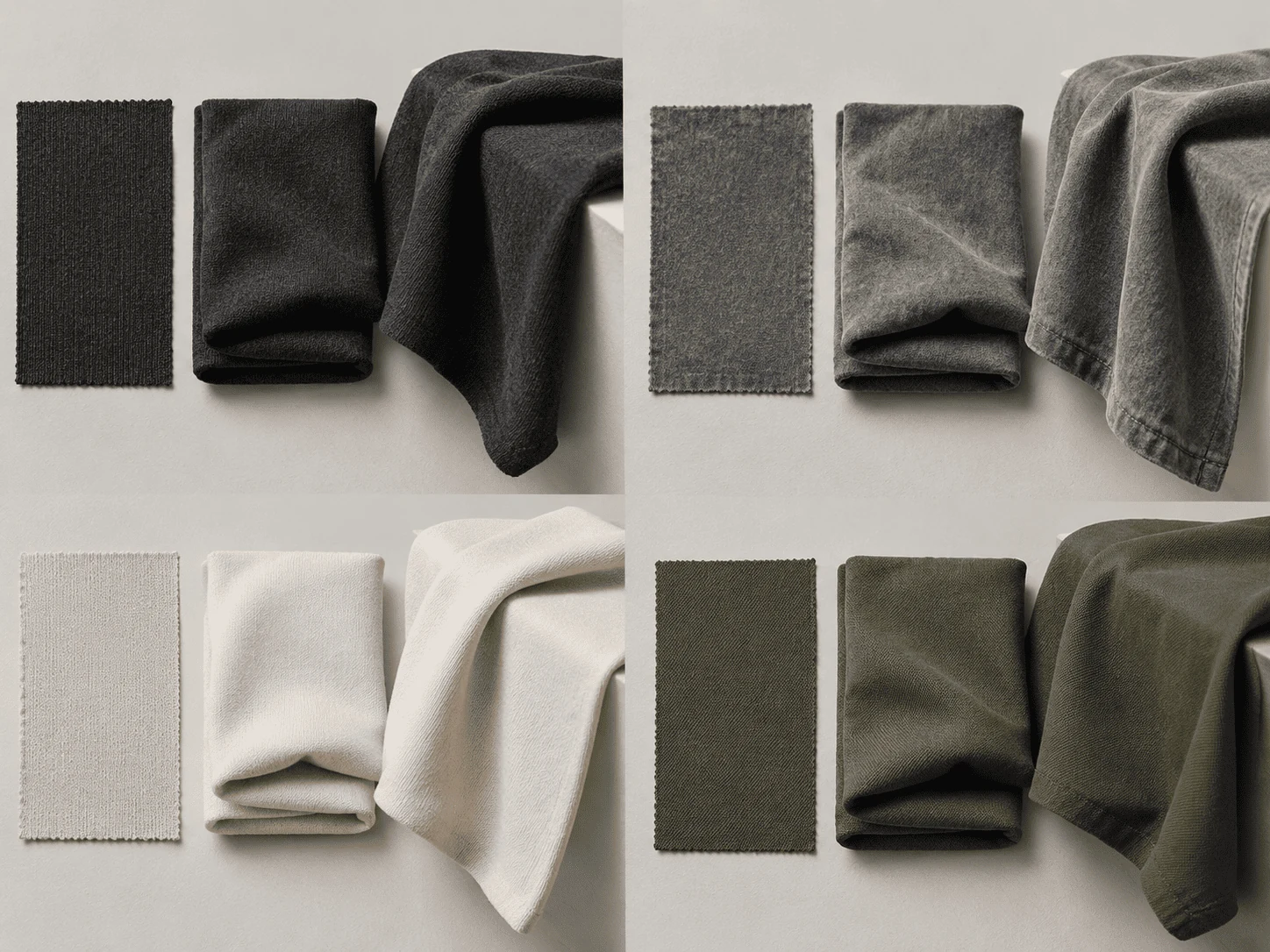
We go through composition, weight, color, handfeel, stretch, drape, surface texture, and care instructions together, since these details end up affecting almost every other decision downstream
Seams, Stitching, and Reinforcement
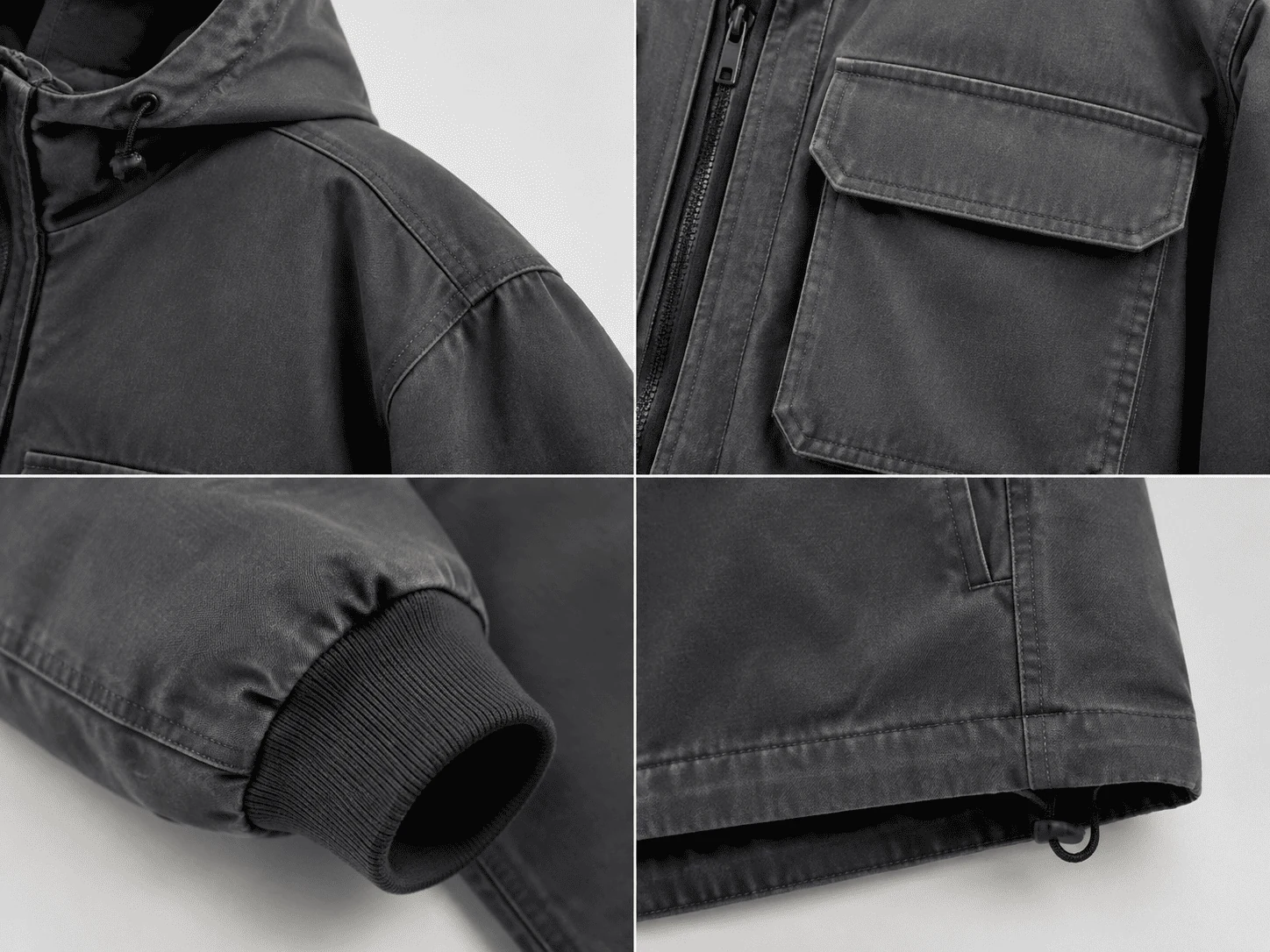
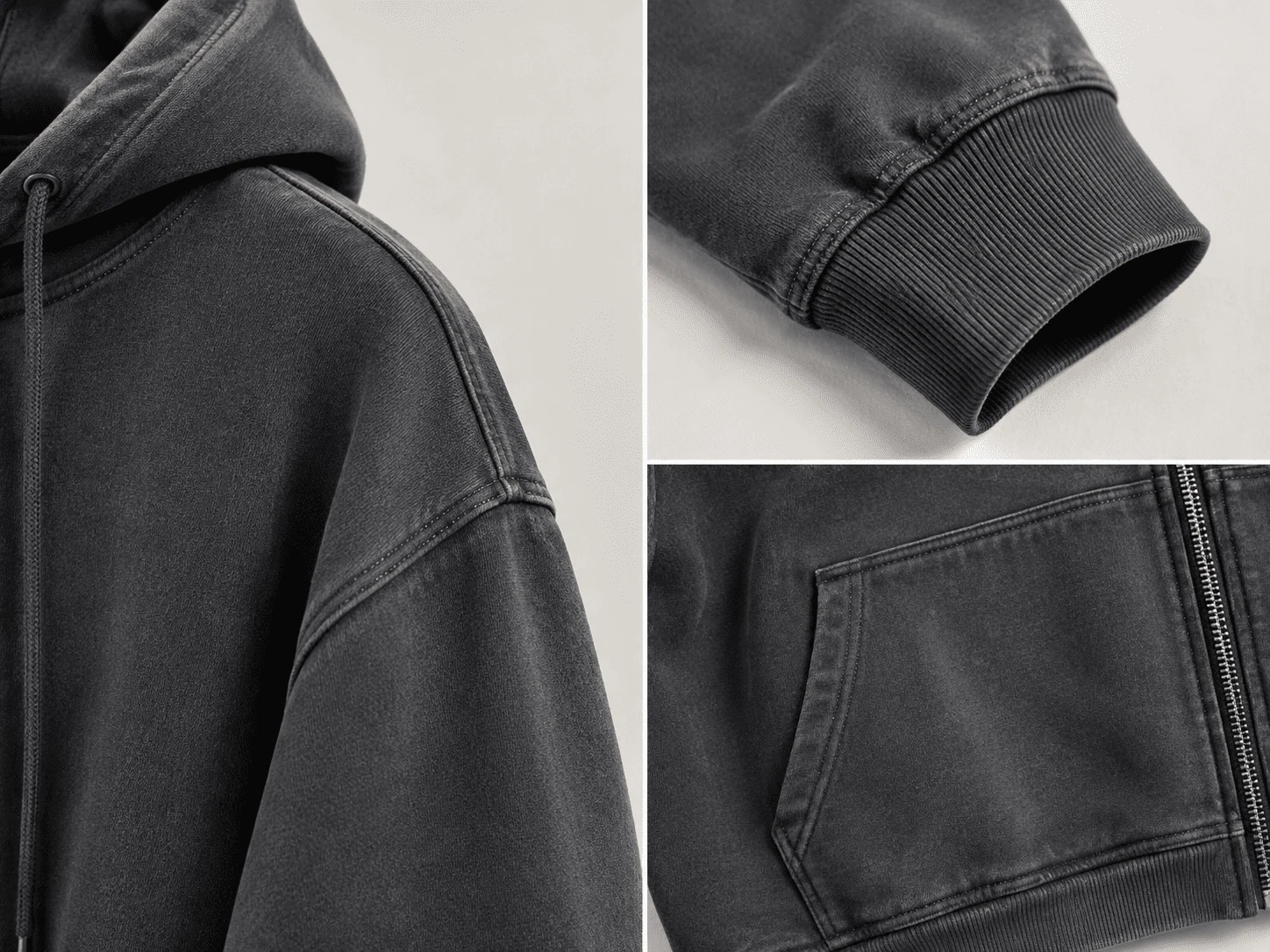
Seam types, stitching style, reinforcement points, lining, and finishing standards get documented clearly, so the factory floor has exact instructions to build from rather than assumptions
Pockets, Closures, and Trims
Pocket types, closures, zippers, drawcords, and hardware trims are confirmed together, since even small trim choices can shift both cost and the overall feel of the finished piece
Artwork, Print, and Embroidery
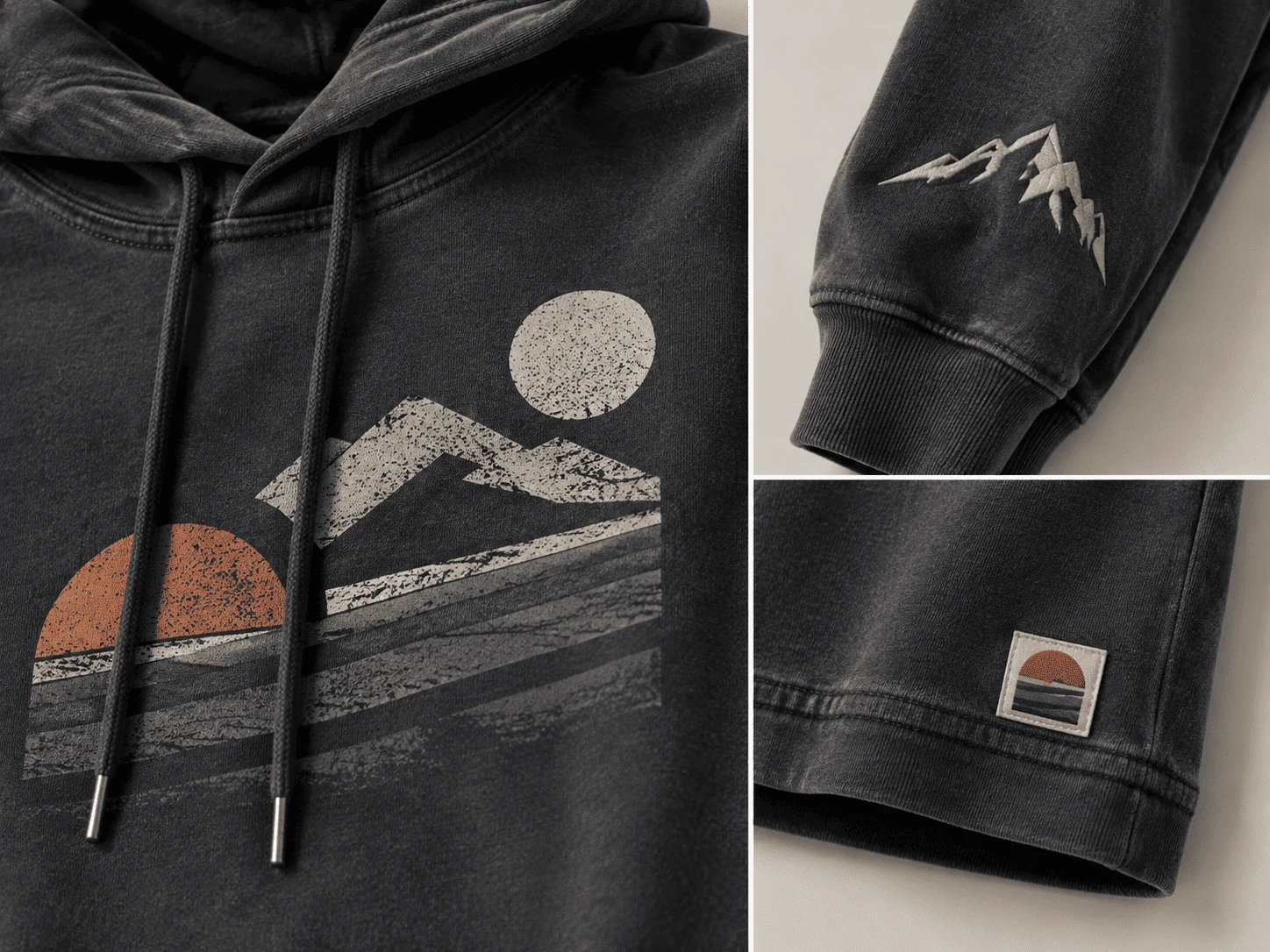
We help you choose between artwork applications like screen print, embroidery, puff, or appliqué, and coordinate the placement so it works well alongside labels and tags instead of competing with them visually
04 / Factory evidence
Streetwear Product and Factory Evidence
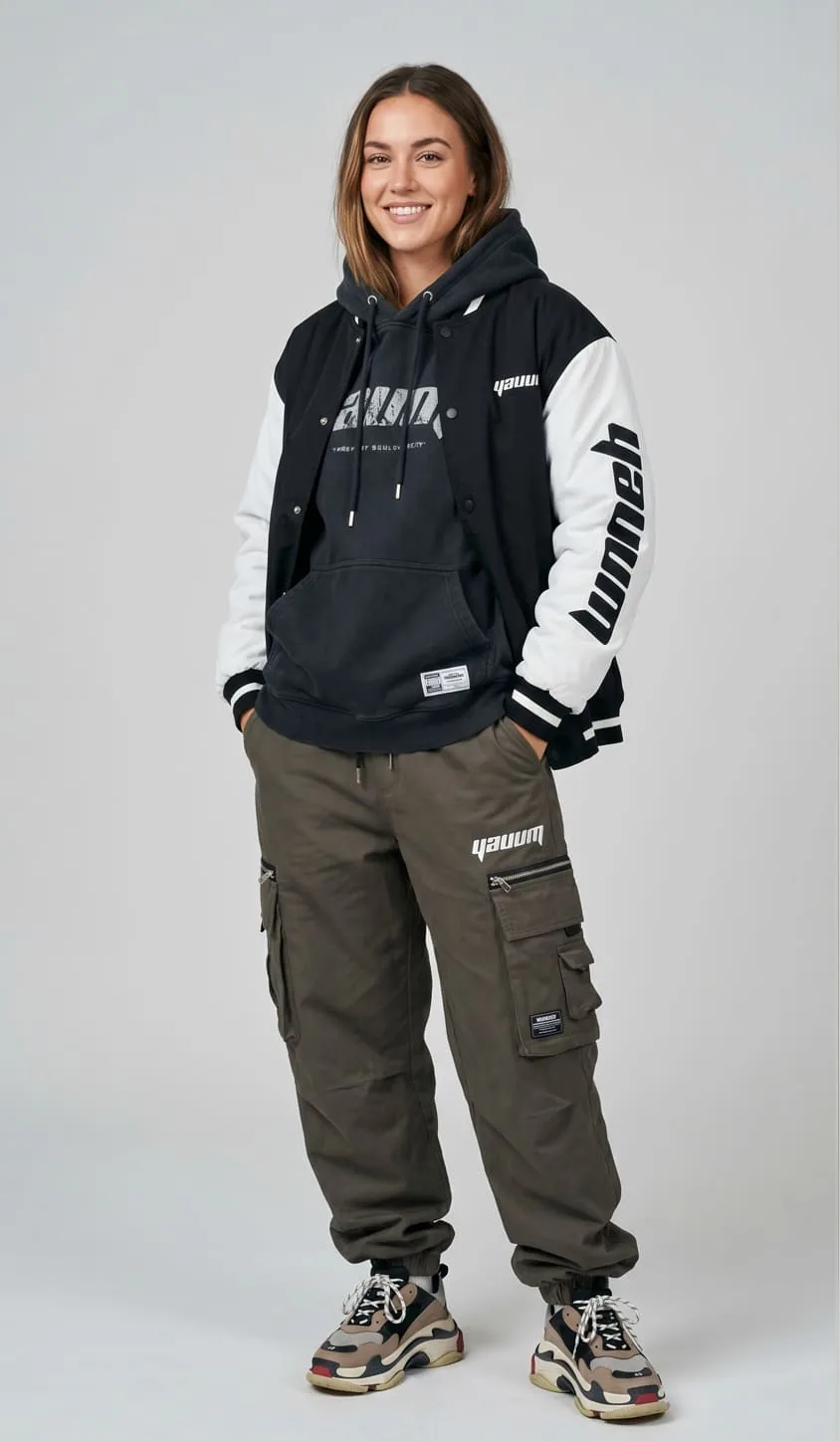
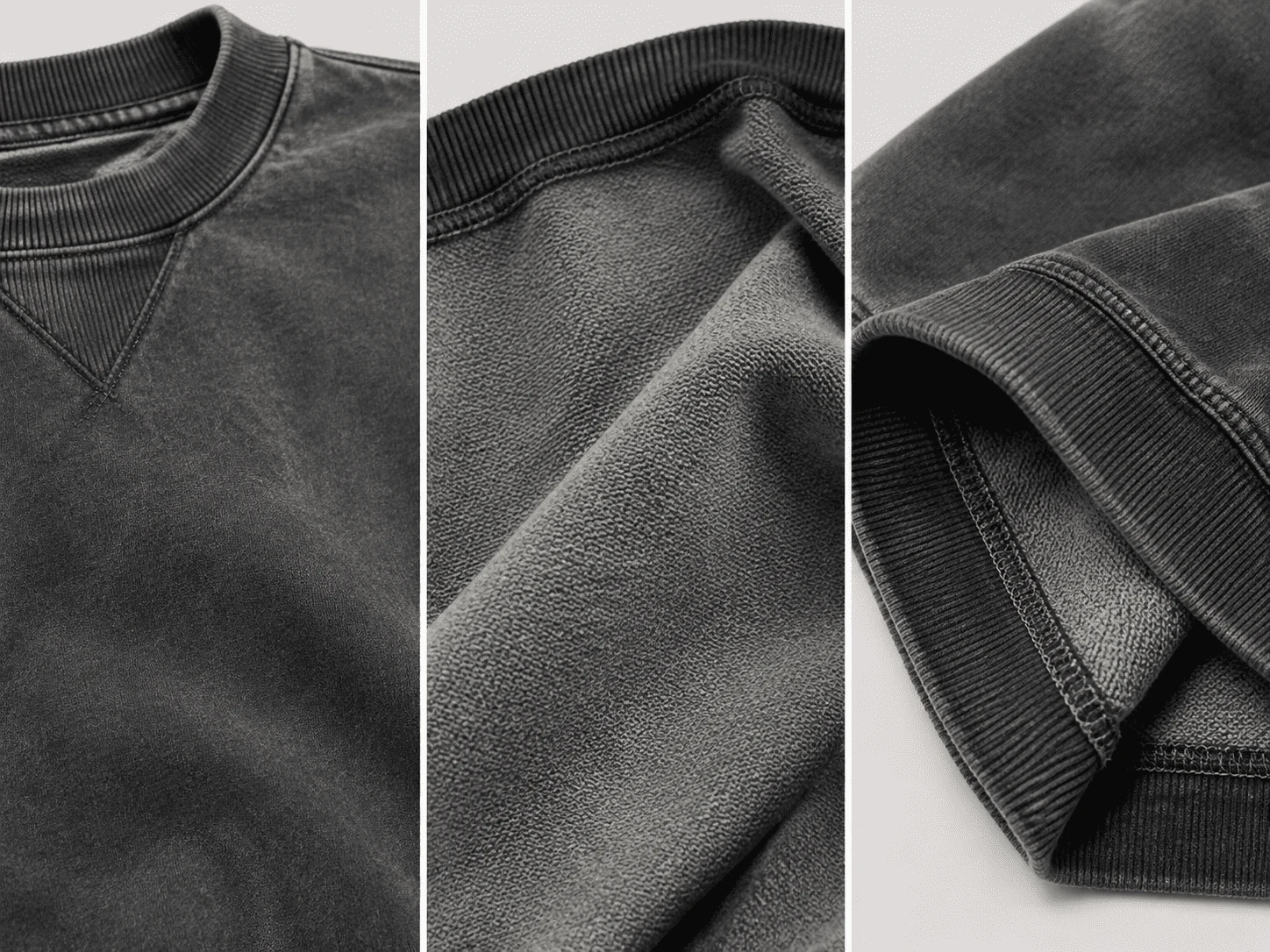
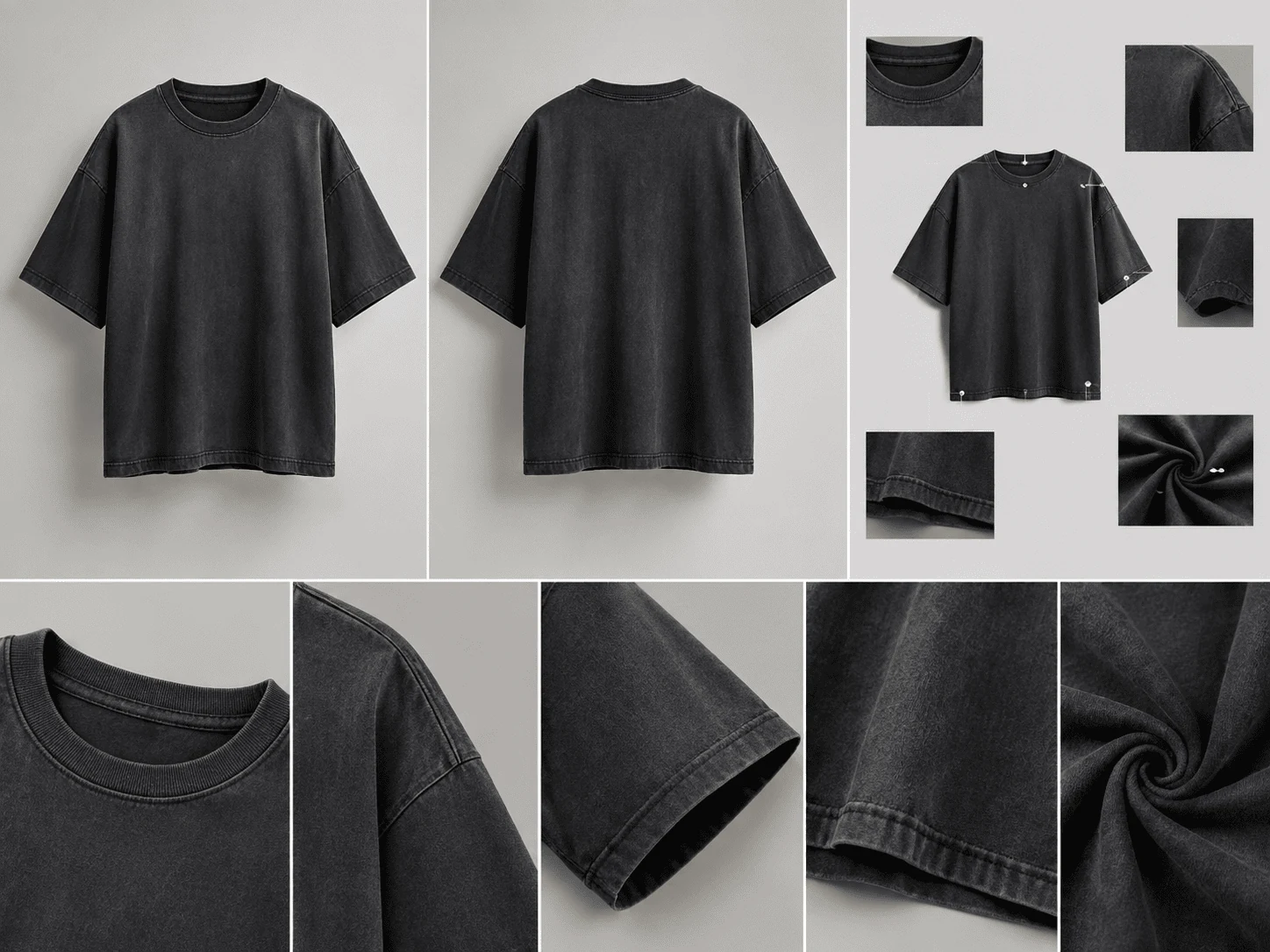
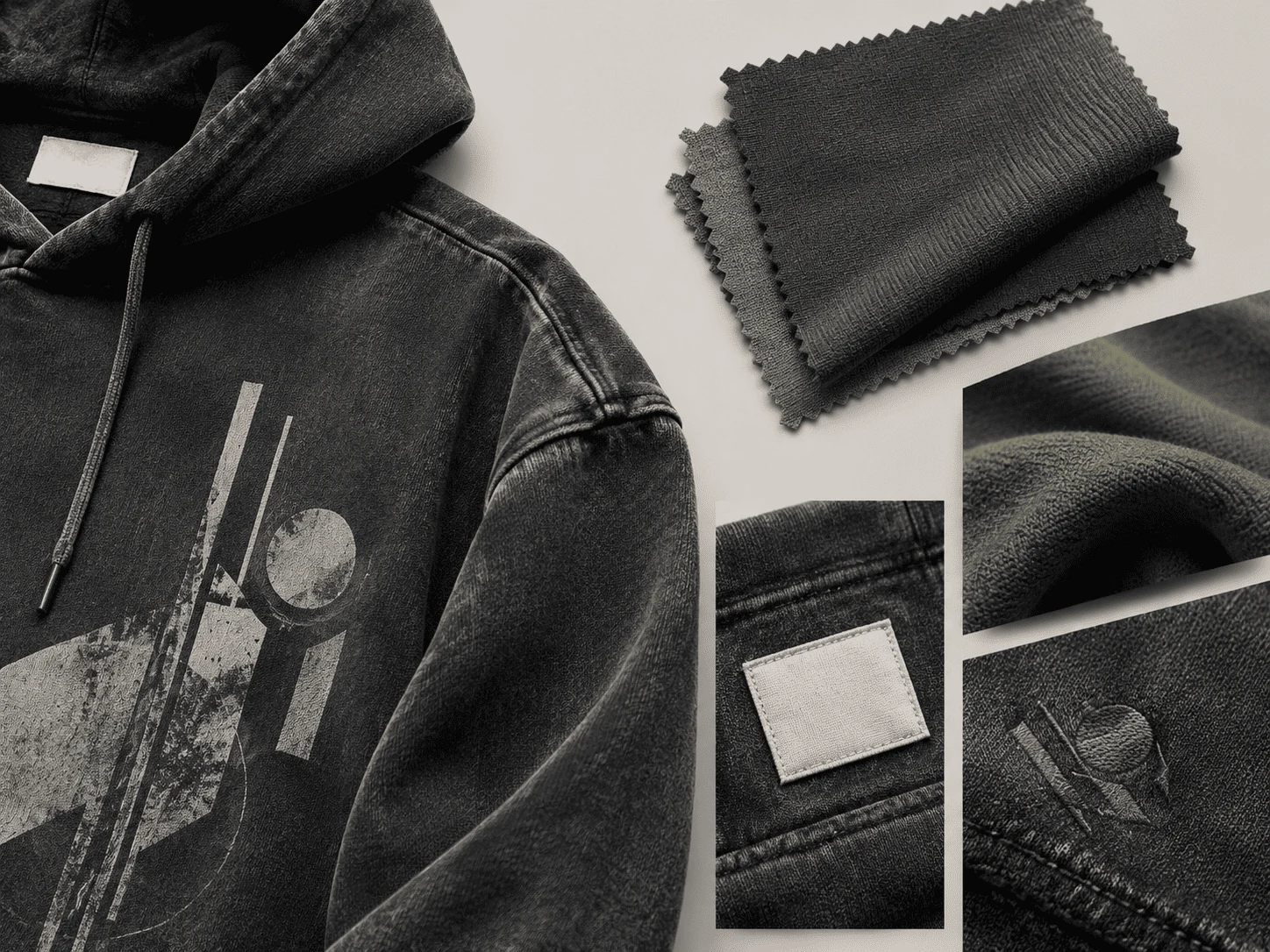
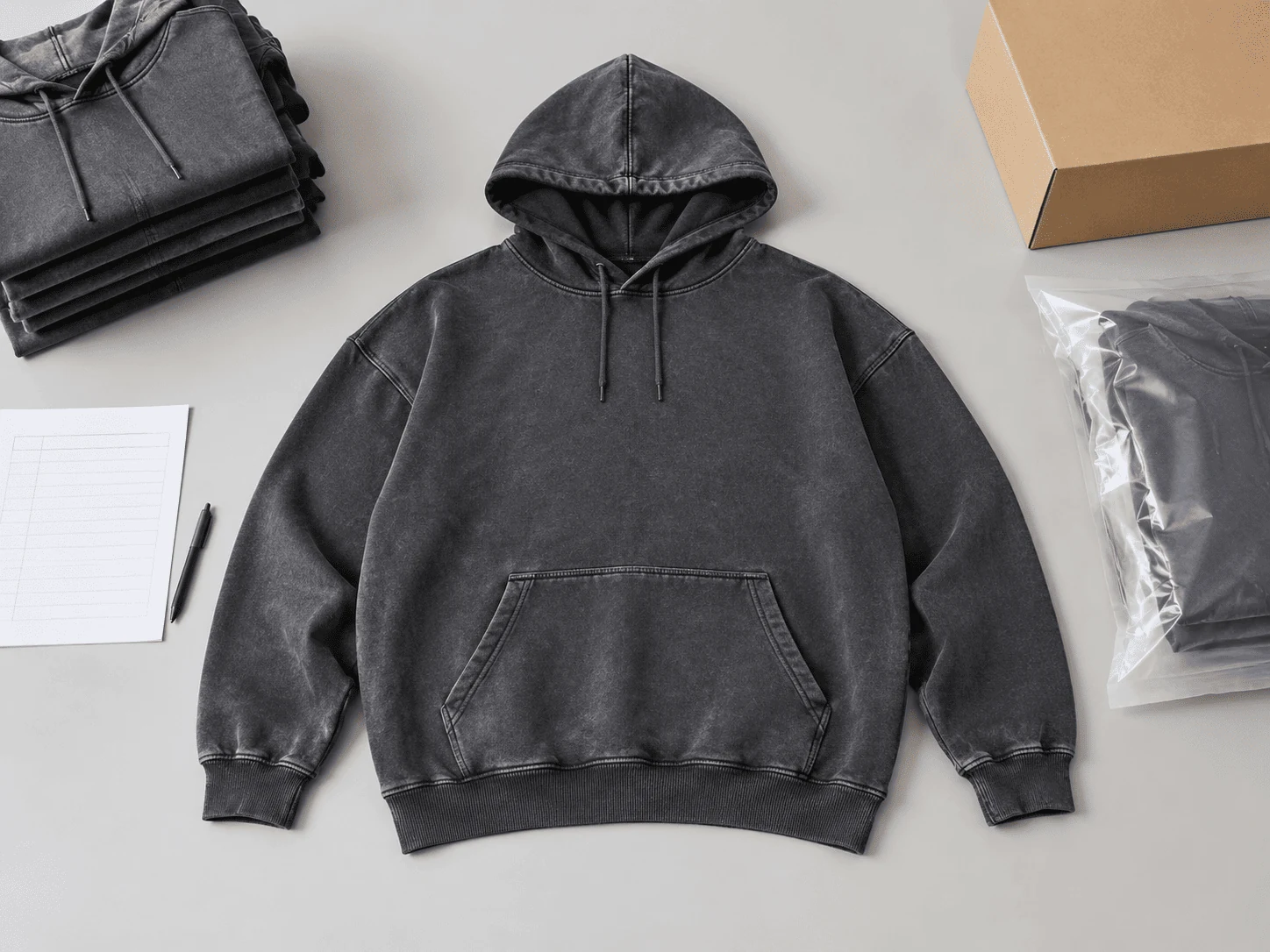
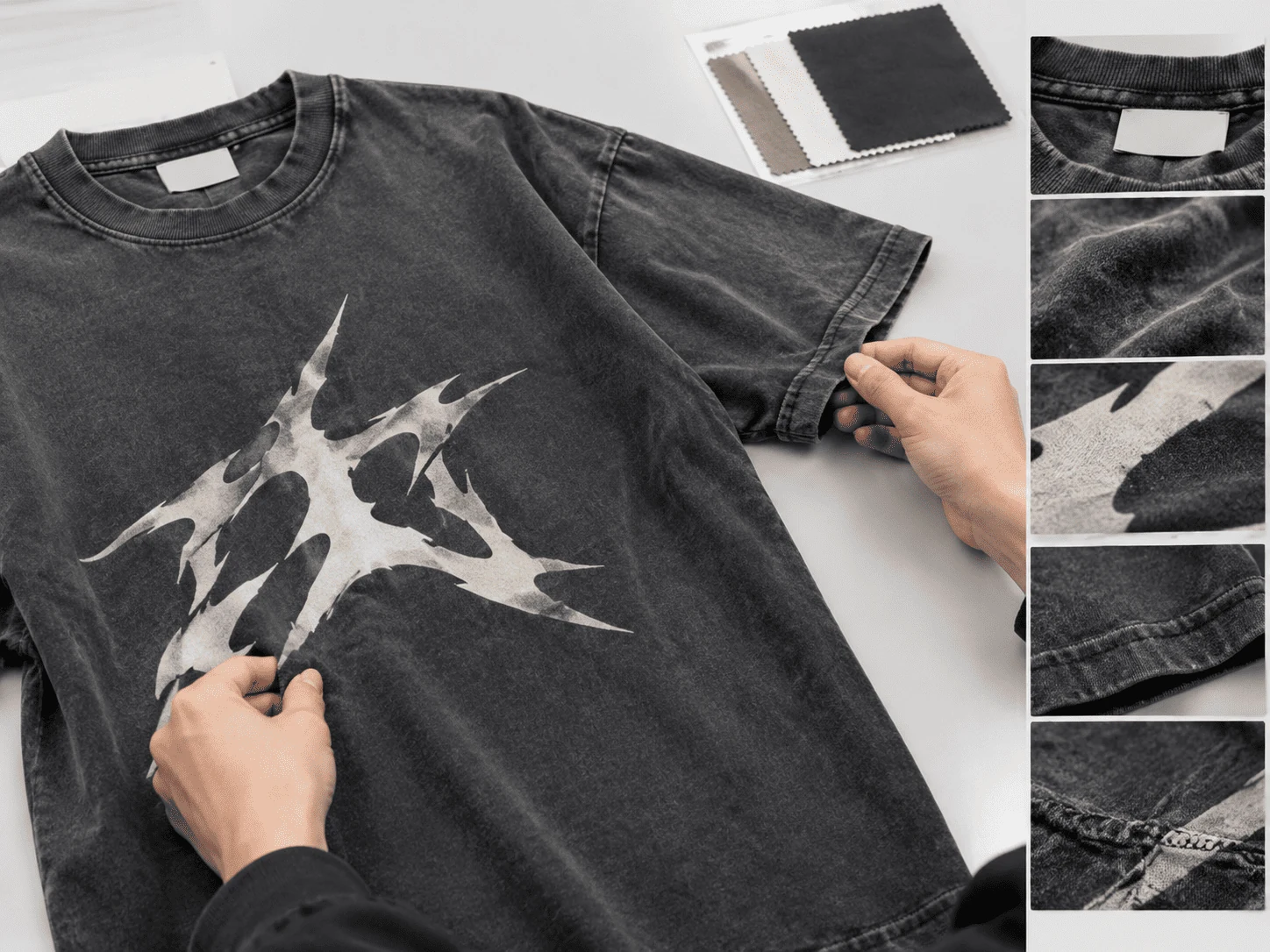
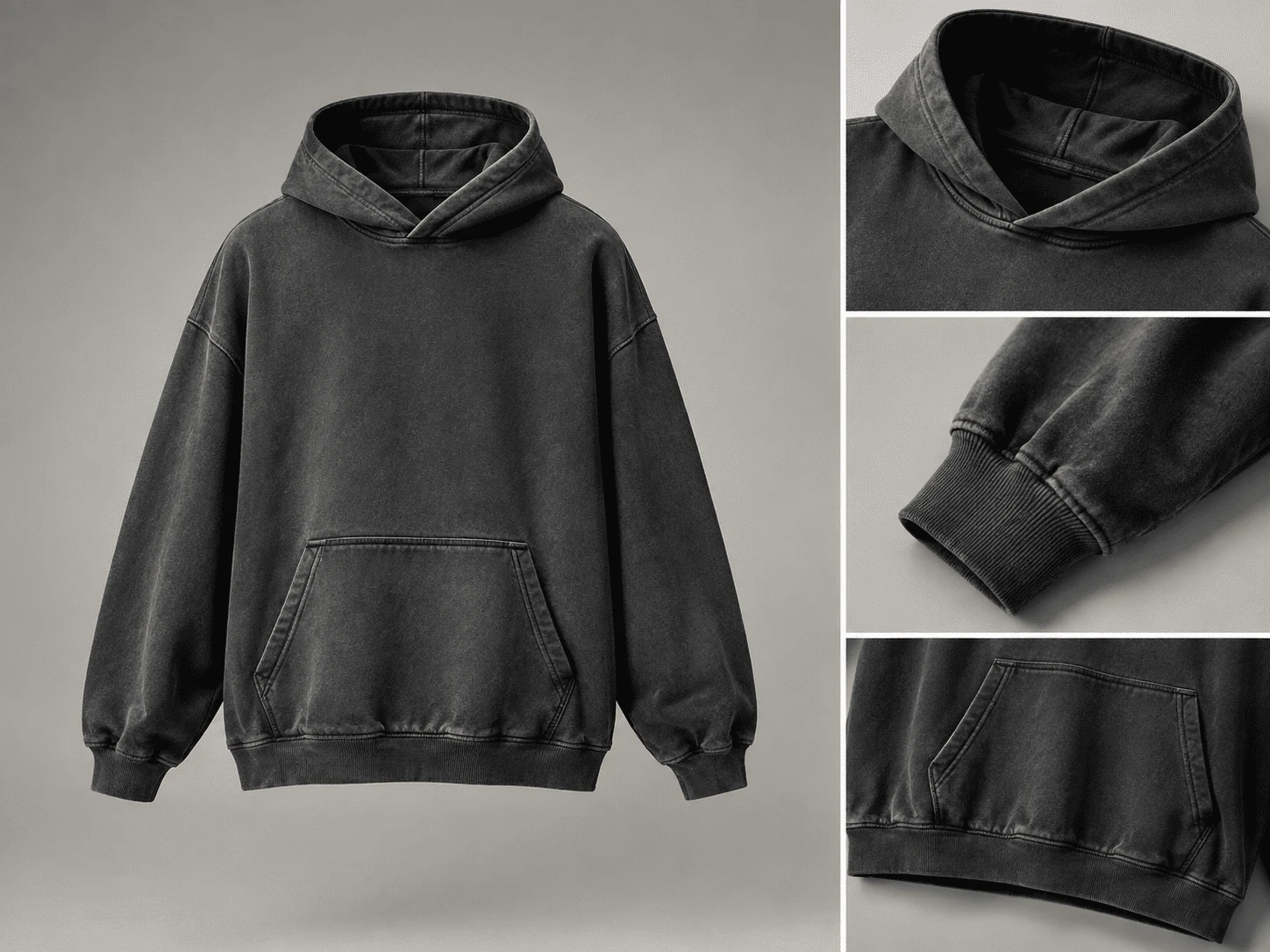
The supplied reference gives this page its starting anchor. The additional positions below are where real production photos and documents will go in as they become available, so buyers can see actual output rather than stock imagery. Streetwear factory evidence — photos, records, and documents tied to the actual order — is what makes those claims checkable
05 / Sample approval
Streetwear Sample Approval
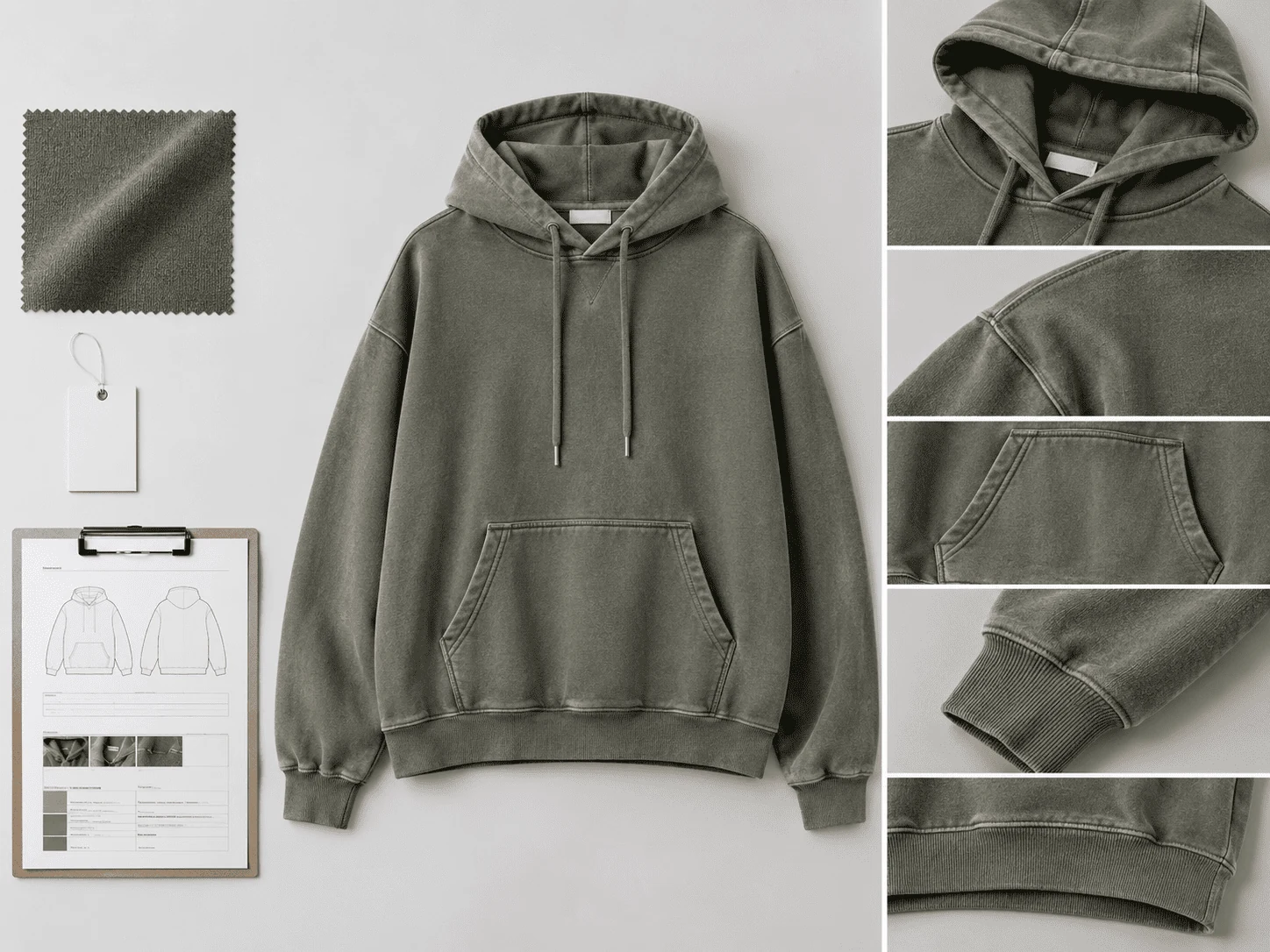
A sample takes everything discussed on paper and turns it into a real garment, something the buyer can measure, wear, photograph, comment on, revise, and eventually sign off on before bulk production begins
Fit and Measurement Review
We look at shape, length, width, and proportions together, checking them against the confirmed spec so any adjustments are caught before cutting starts on the full order
Fabric and Handfeel Review
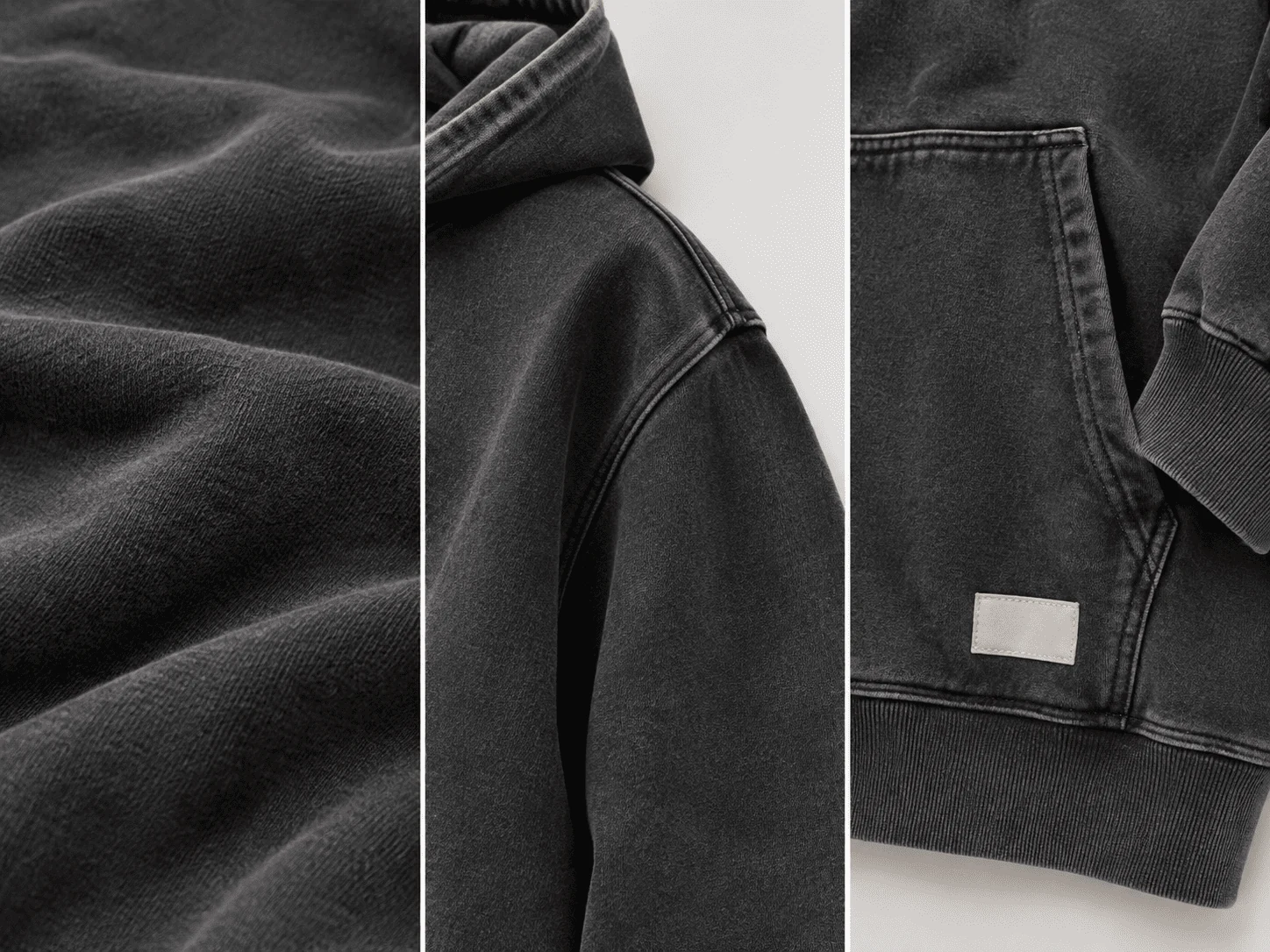
The sampled fabric gets assessed for handfeel, drape, surface, color, and how it's likely to wear over time, since these qualities are hard to judge from a swatch alone
Workmanship and Trim Review
Seams, stitching, closures, reinforcement, hardware, and finishing all get checked closely, since these details are usually where quality differences show up first
Brand Application Review
Artwork scale, placement, print or embroidery quality, labels, and tags are reviewed together to make sure the branding reads the way it was intended once it's actually on the garment
Packing Instruction Review
Folding, bags, inserts, stickers, and packing count are confirmed against the original plan, so there are no surprises once the order reaches the buyer's warehouse
06 / Order process
Streetwear Manufacturing Order Process
Standard orders start at 100 pieces. A realistic timeline only comes together once the product, materials, customization, quantity, revisions, packing, and destination are all understood. Trying to quote before that tends to create more back-and-forth later, not less. As a planning reference, standard custom streetwear pieces are typically quoted at US$10–15 per piece; the confirmed price follows the final specification. The sequence is the same whether the first order is a sample run, a bulk streetwear program, or a wholesale streetwear order
Product Brief and Requirement Review
We start by clarifying category, quantity, target market, references, size range, fabric, branding, packing, and destination, so everyone is working from the same brief from day one
Specification and Tech Pack
Fit, measurements, materials, workmanship, trims, artwork, labels, and pack-out all get pulled together into one shared streetwear tech pack that both sides can refer back to throughout the project
Sample Development and Revision
The sample gets made, comments get documented clearly, and anything that isn't approved yet gets revised before moving forward
Bulk Production
Once the sample is approved, that reference along with the order notes guides cutting, sewing, decoration, and finishing across the full run
Final Check and Packing
Finished garments, labels, unit packing, and carton details all get reviewed together as part of preparing the shipment
07 / Quality control
Streetwear Quality Control
Acceptance points should be agreed on for the specific order and checked directly against the approved product reference, rather than judged against a generic quality standard that doesn't reflect this particular piece
Material and Color Inspection
Fabric and trims get compared against the approved direction to catch any drift in color or material before it becomes a bigger issue
Measurement and Construction Check
Dimensions, seams, stitching, pockets, closures, and overall workmanship are reviewed carefully against the confirmed spec
Decoration and Label Verification
Artwork placement, how the application actually looks, label type, and attachment method all get checked together
Finished Garment Comparison
The finished garment gets compared directly against the approved sample for fit, appearance, finish, and detail
Packing and Carton Verification
Folding, bags, tags, packing count, carton marks, and reference photos are all verified before the order ships
08 / Private label
Private Label Branding for Streetwear
Brand details tend to matter more than they first appear. They shape how the product looks on a shelf, how it gets counted, and how smoothly it moves through receiving, so it's worth settling these early rather than treating them as an afterthought. Working with a private label streetwear manufacturer means these branding decisions happen before the first sample, not after it
Woven and Neck Labels
Woven, neck, size, and care labels get produced from the content and placement you supply, so the finished garment carries your brand correctly from the very first unit
Hangtags and Barcodes
Hangtags, stickers, barcodes, and any warehouse references you need get incorporated according to your specifications
Artwork Placement and Application
Artwork position, application method, and how it scales across different sizes all get confirmed together, so the branding stays consistent across the whole size run
09 / Packing and pack-out
Streetwear Packing and Pack-Out
How a product gets packed ends up shaping how easily it's counted, received, and distributed once it leaves the factory, so these instructions are worth nailing down clearly rather than leaving to default assumptions. Streetwear wholesale orders usually add carton-mark and size-ratio requirements on top, so confirm those before packing starts
Folding and Polybag Requirements
Folding method, polybags, inserts, and stickers per unit are all specified, so the finished pieces arrive presented the way you intended
Carton Marks and Size Ratios
Carton quantity, size mix, carton marks, and handling instructions get confirmed to keep receiving and distribution running smoothly on your end
Packing Reference Photos
Packing photos and carton information from a confirmed production run give a realistic sense of what to expect once the shipment actually arrives
10 / Related categories
Build a Coordinated Apparel Program
Review adjacent product groups with the same structured development approach