Custom hoodies / Private label development
Hoodie Manufacturer for Custom and Private Label Brands
Tell us what kind of hoodie you want to make. We’ll help you work through the fit, fabric, construction, artwork, labels, sample, and packing before you move into bulk production. You can start with a tech pack, a reference garment, or clear product photos.
- Start with your references
- Check the physical sample
- Confirm details before bulk
01 / Buyer requirements
What do you need from a hoodie manufacturer?
You need clear answers before you spend money on a sample or bulk order. We’ll help organize the product details, and we won’t guess at MOQ, price, timing, capacity, or certification.
Private label brands
You may have a sketch, mood board, tech pack, or garment you already like. We help turn those references into clear decisions about fit, fabric, branding, and finishing.
Wholesalers and retailers
You need products that are easier to reorder and compare. Clear size, color, label, and packing records give both sides a consistent reference for future orders.
Sourcing and procurement teams
If several people need to approve the order, one clear product record saves time. It keeps specifications, inspection points, packing, and delivery details in the same conversation.
02 / Hoodie styles
What kind of hoodie are you planning to make?
Start with the silhouette. It affects the pattern, fabric, construction, and space available for your artwork. These images are style references, not completed customer orders.
 Style 01
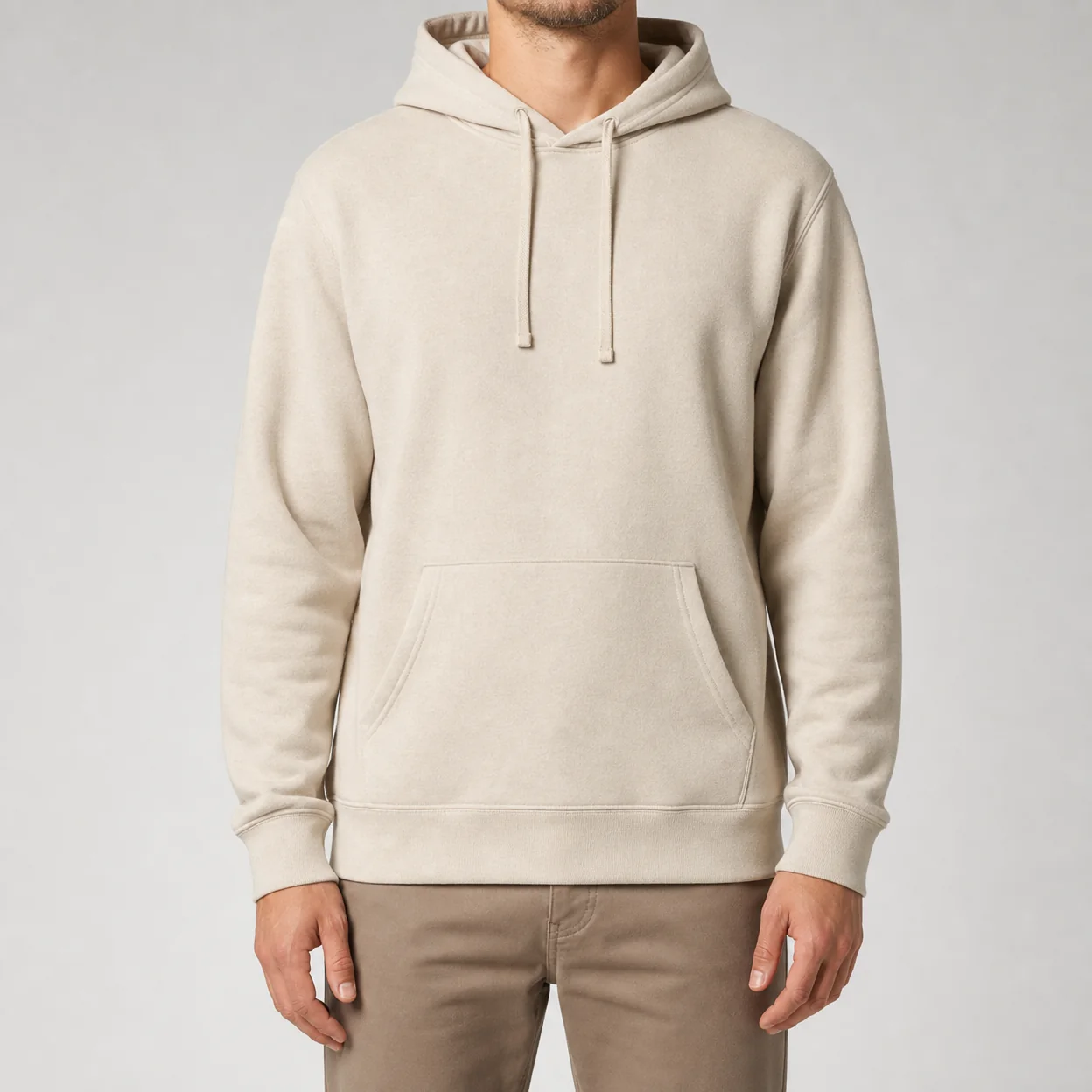
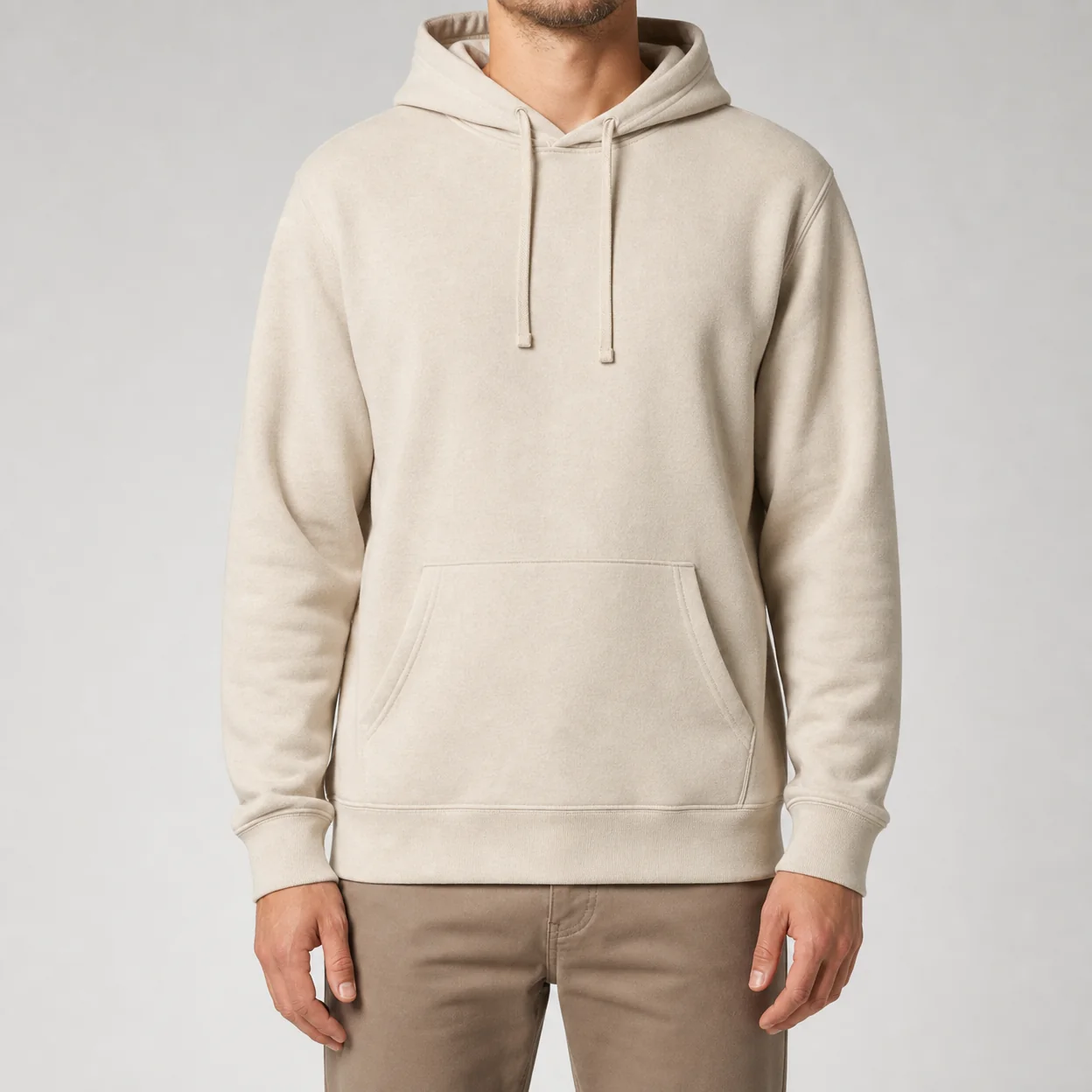
Blank Pullover Hoodies
A practical base for printing, embroidery, and private labels. Confirm the hood, pocket, rib, fit, and fabric before you approve the sample.
 Style 02
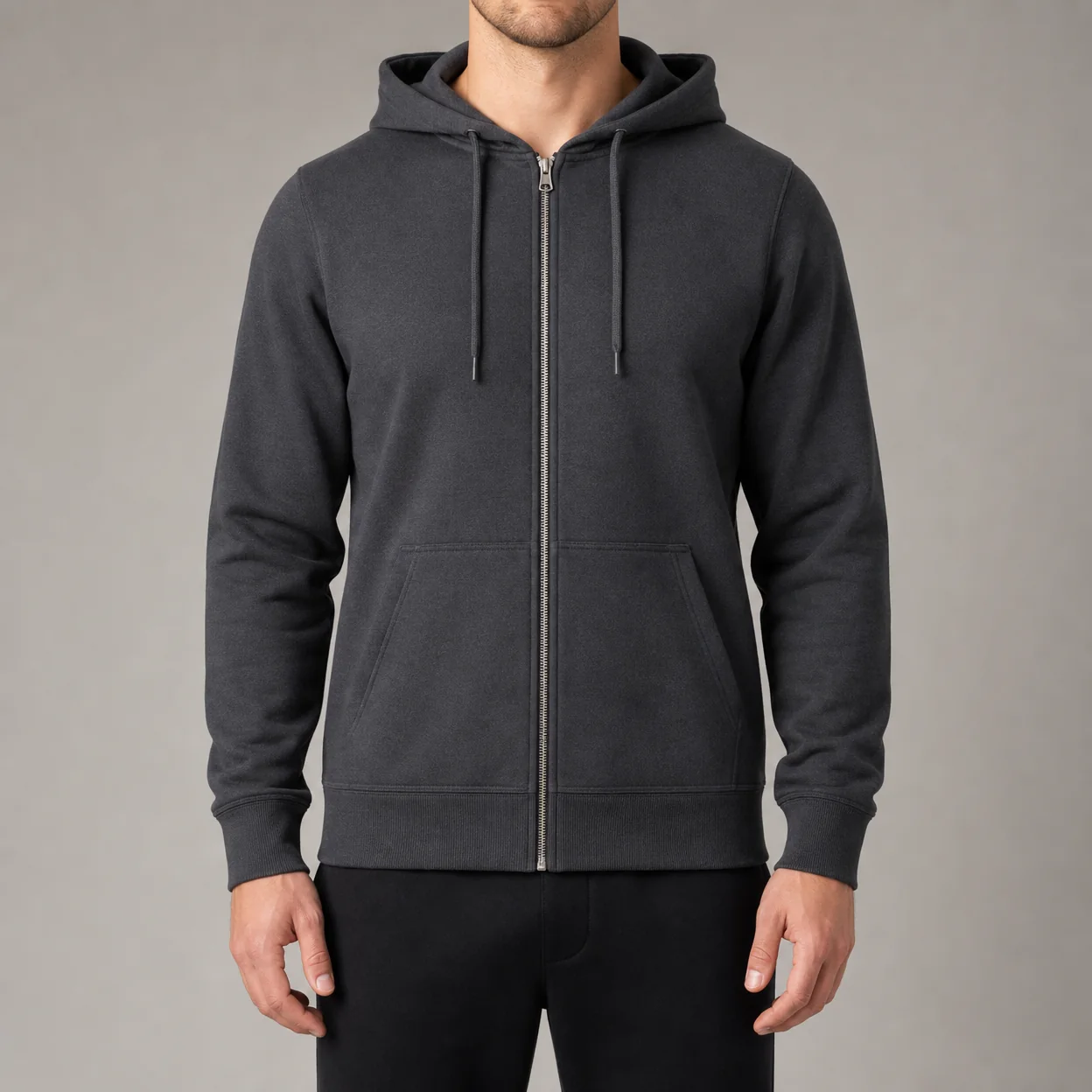
Full Zip-Up Hoodies
A good option for layering, retail collections, or uniforms. Pay attention to the zipper, front alignment, pocket position, and hood finish.
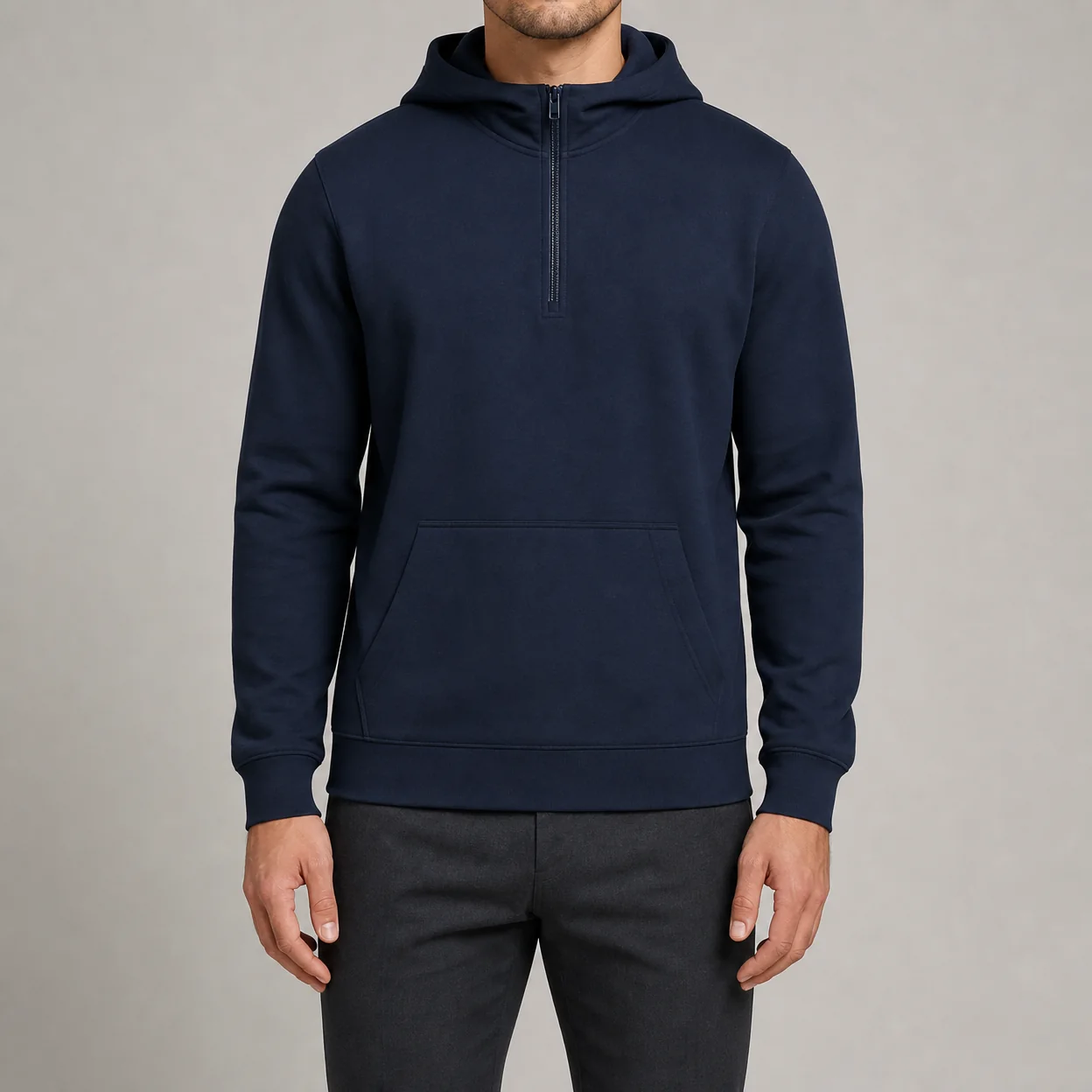 Style 03
Quarter-Zip Hoodies
This style puts more focus on the collar and neckline. A reference sample helps explain the placket length, zipper, collar shape, and intended fit.
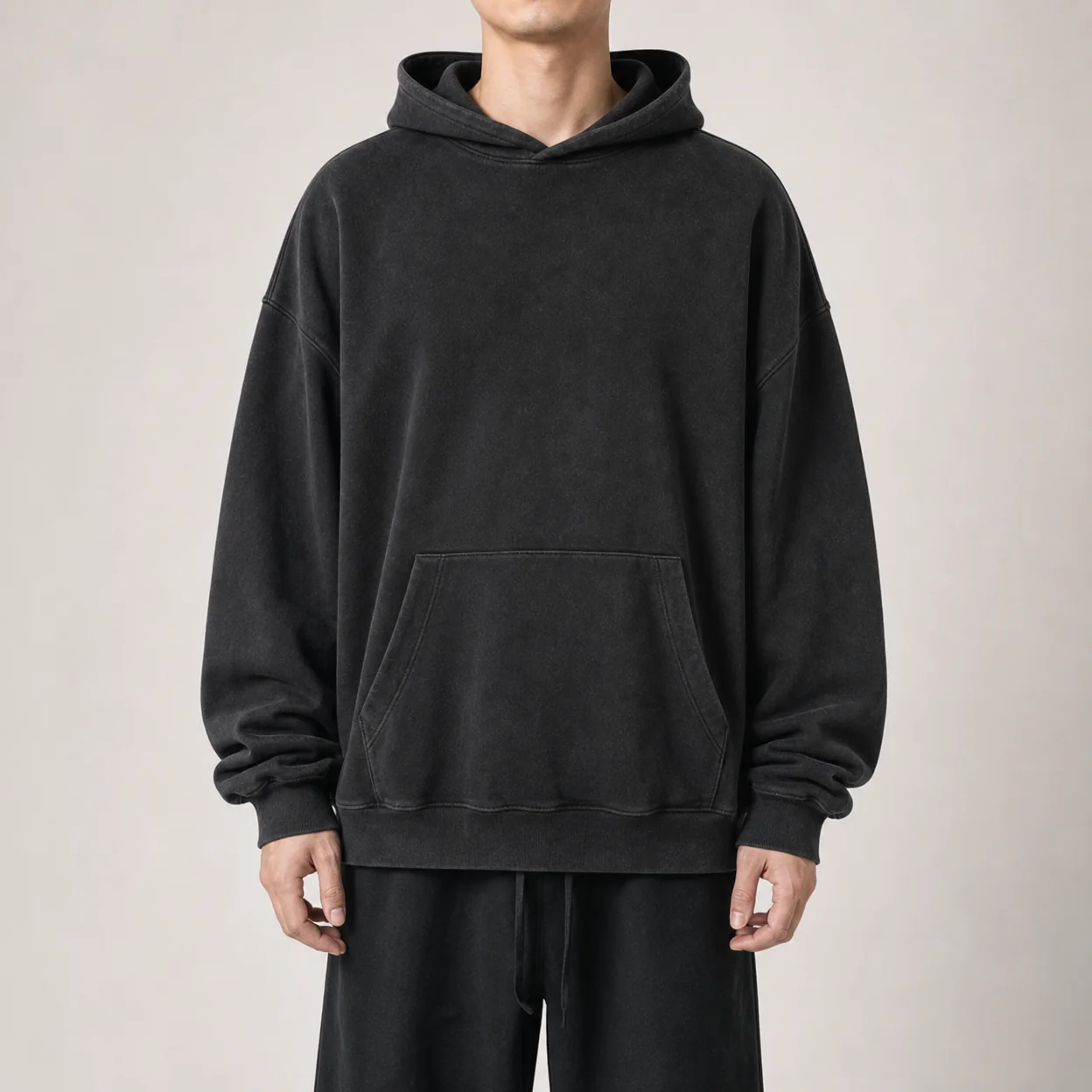 Style 04
Oversized Hoodies
Oversized does not simply mean choosing a larger size. Shoulder drop, sleeve volume, body length, hood scale, rib, and fabric structure shape the final look.
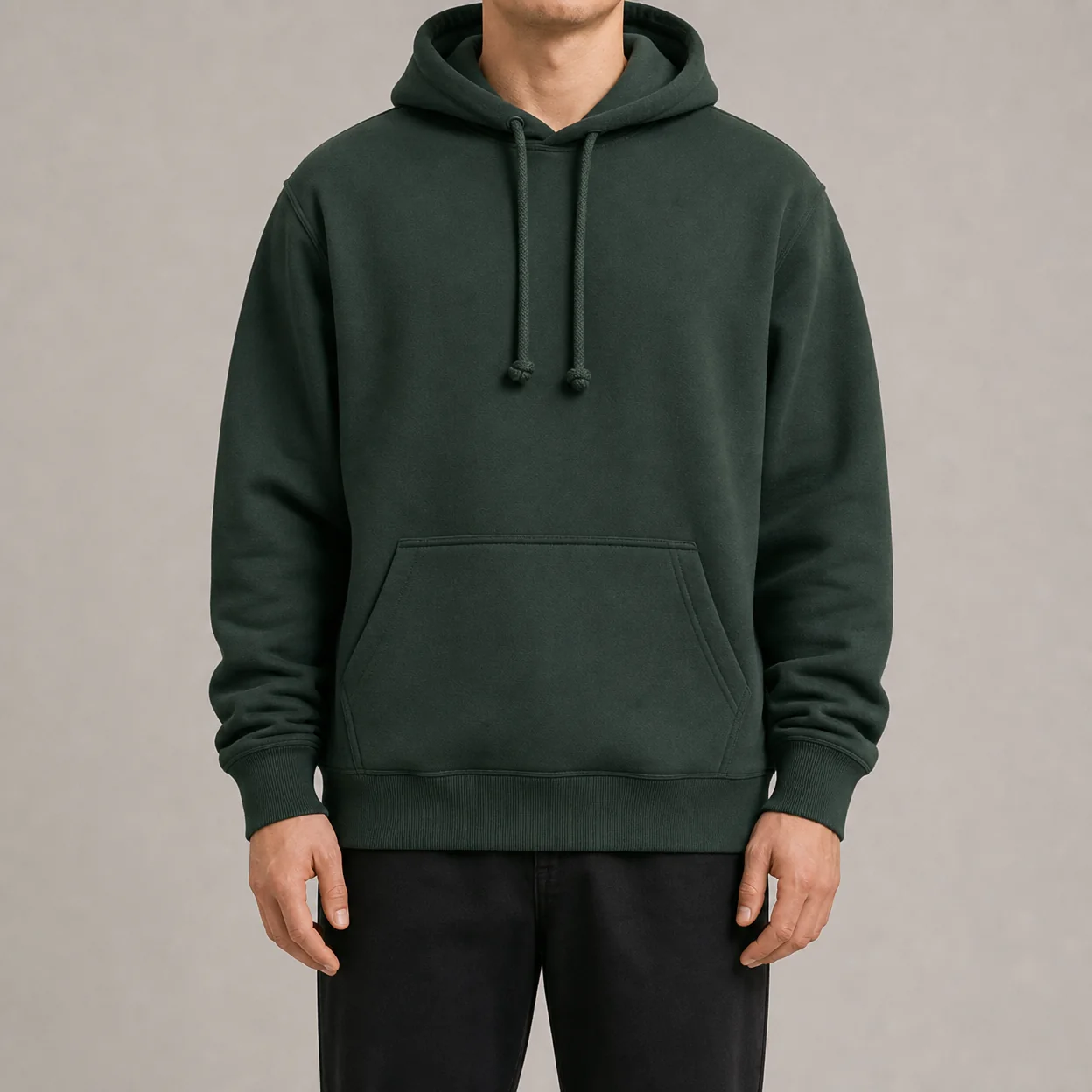 Style 05
Heavyweight Hoodies
Choose this direction when you want a more substantial handfeel and stable shape. GSM matters, but so do the knit, surface, reverse, shrinkage, and rib recovery.
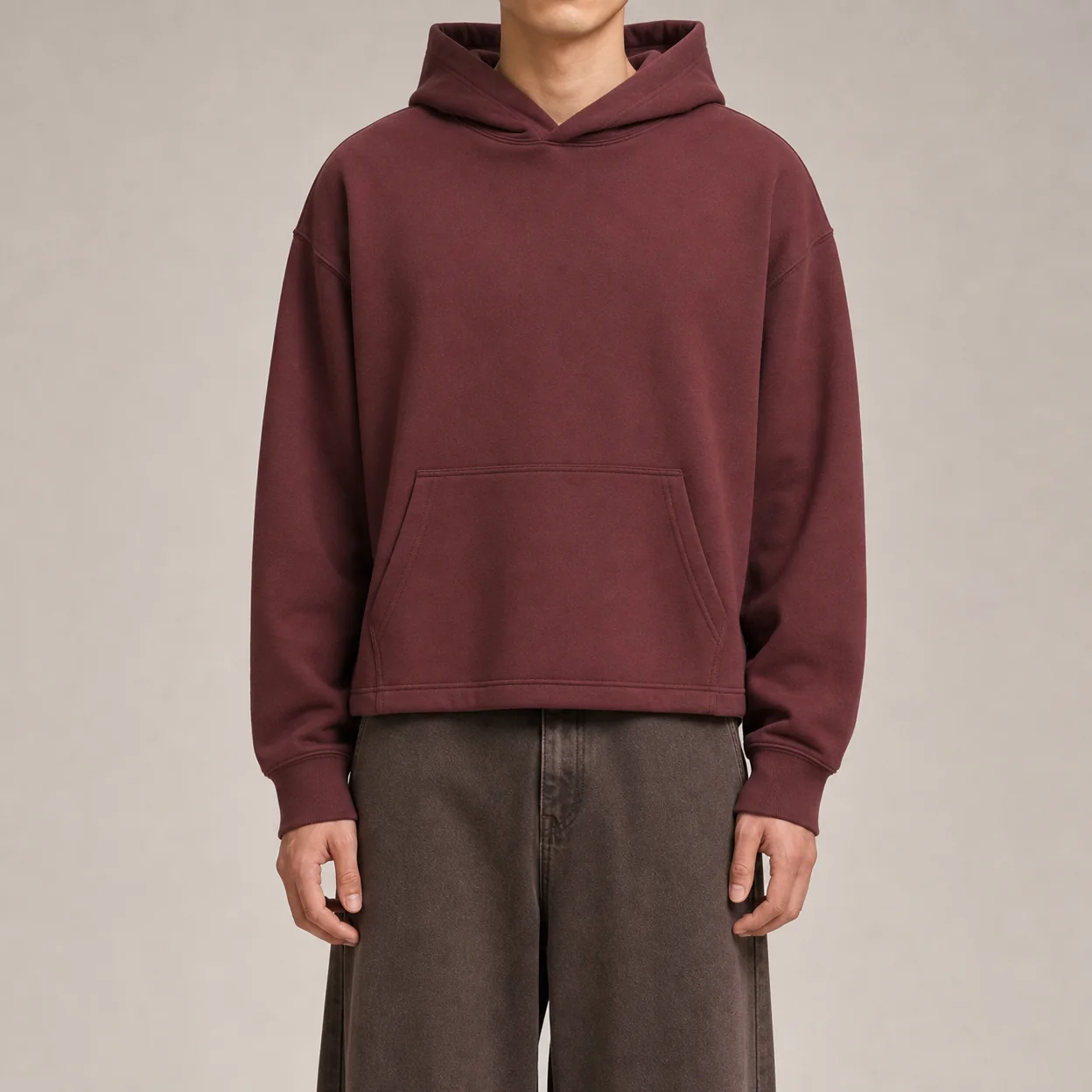 Style 06
Cropped Hoodies
The right crop depends on the customer and size range. Check body length together with width, sleeves, hem finish, and where the garment should sit.
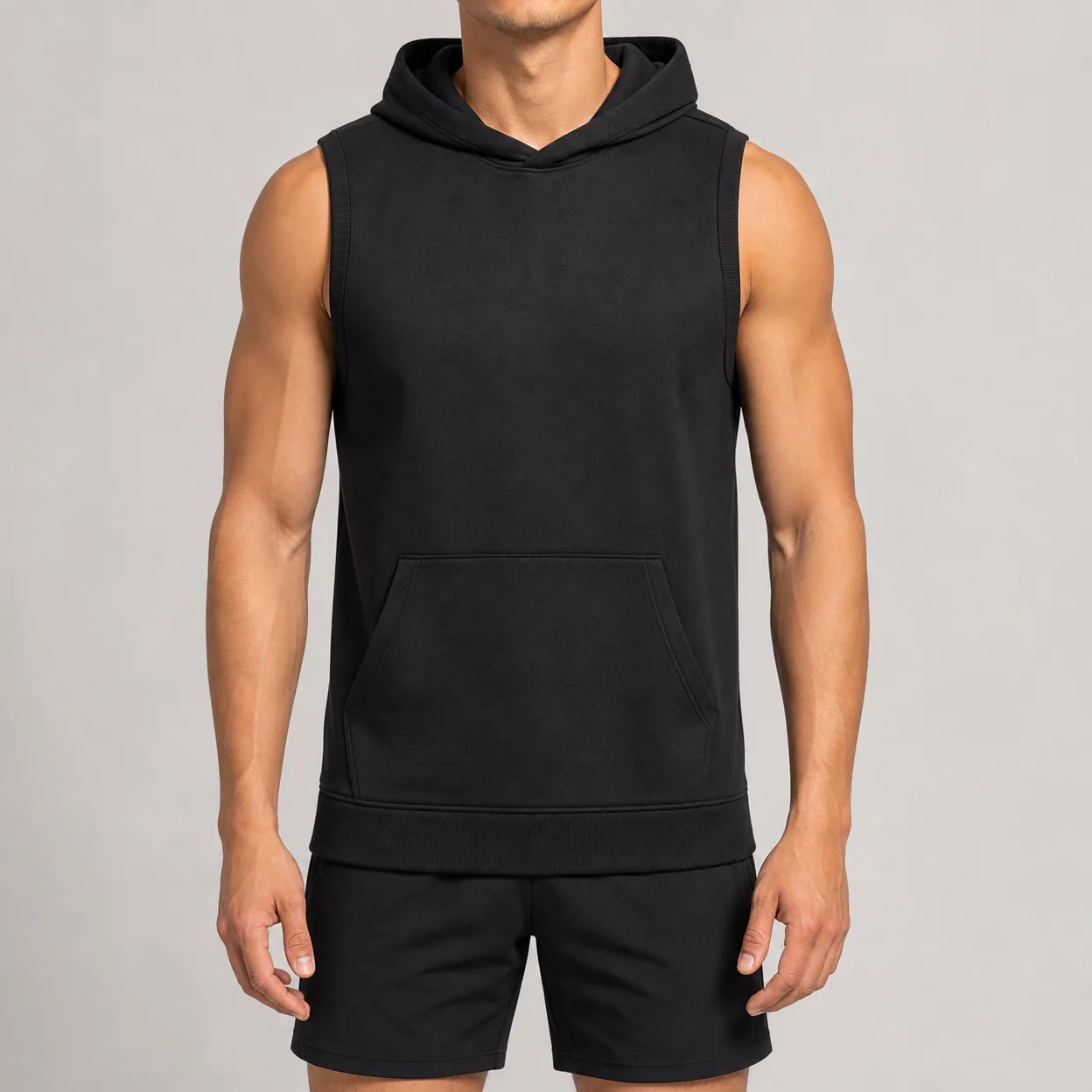 Style 07
Sleeveless Hoodies
Useful for athletic, streetwear, and layered looks. Confirm the armhole, shoulder width, edge finish, hood weight, and how the fabric hangs on the body.
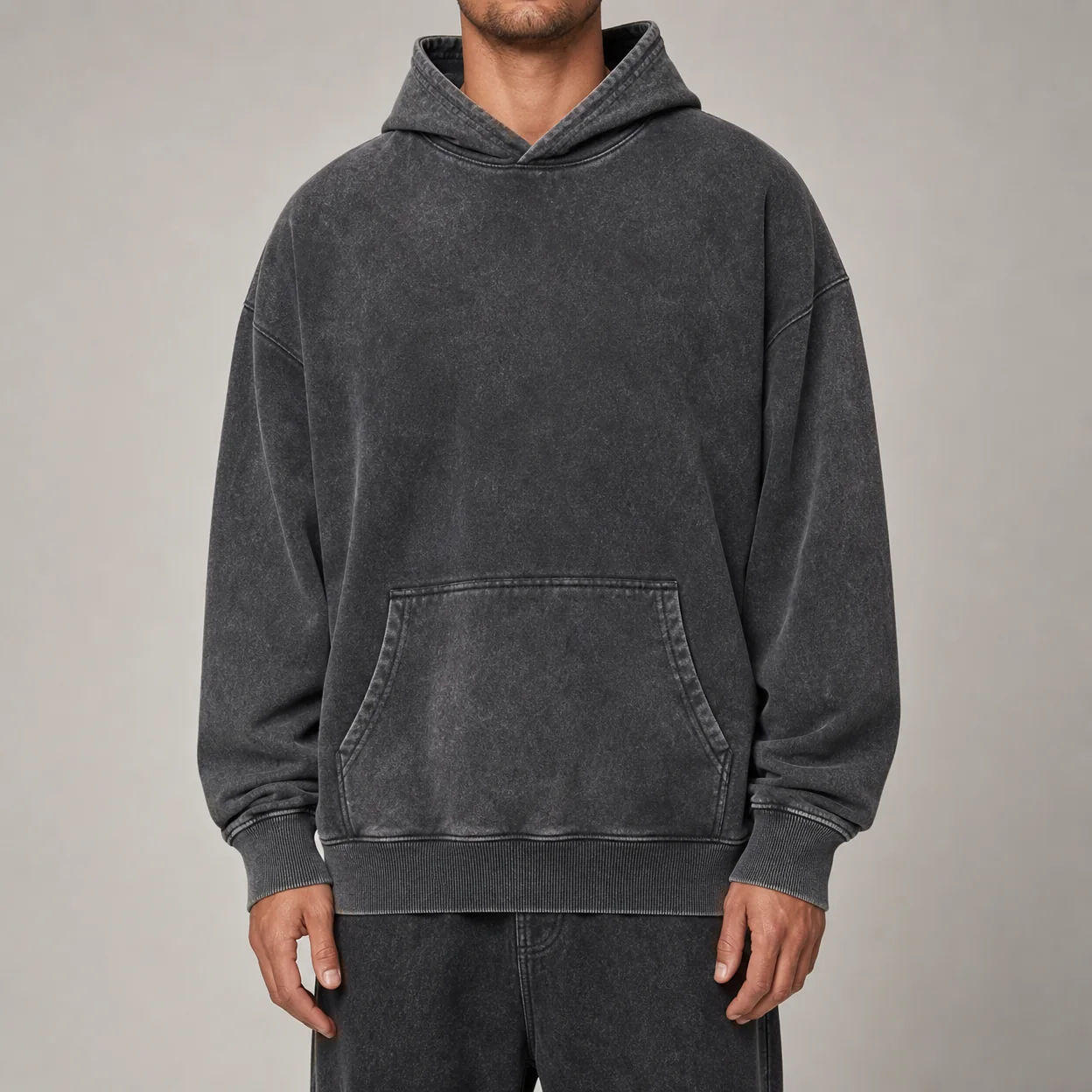 Style 08
Acid-Wash Vintage Hoodies
A washed finish changes the base color, surface, and handfeel. Confirm the wash recipe, shade tolerance, placement, and appearance after laundering.
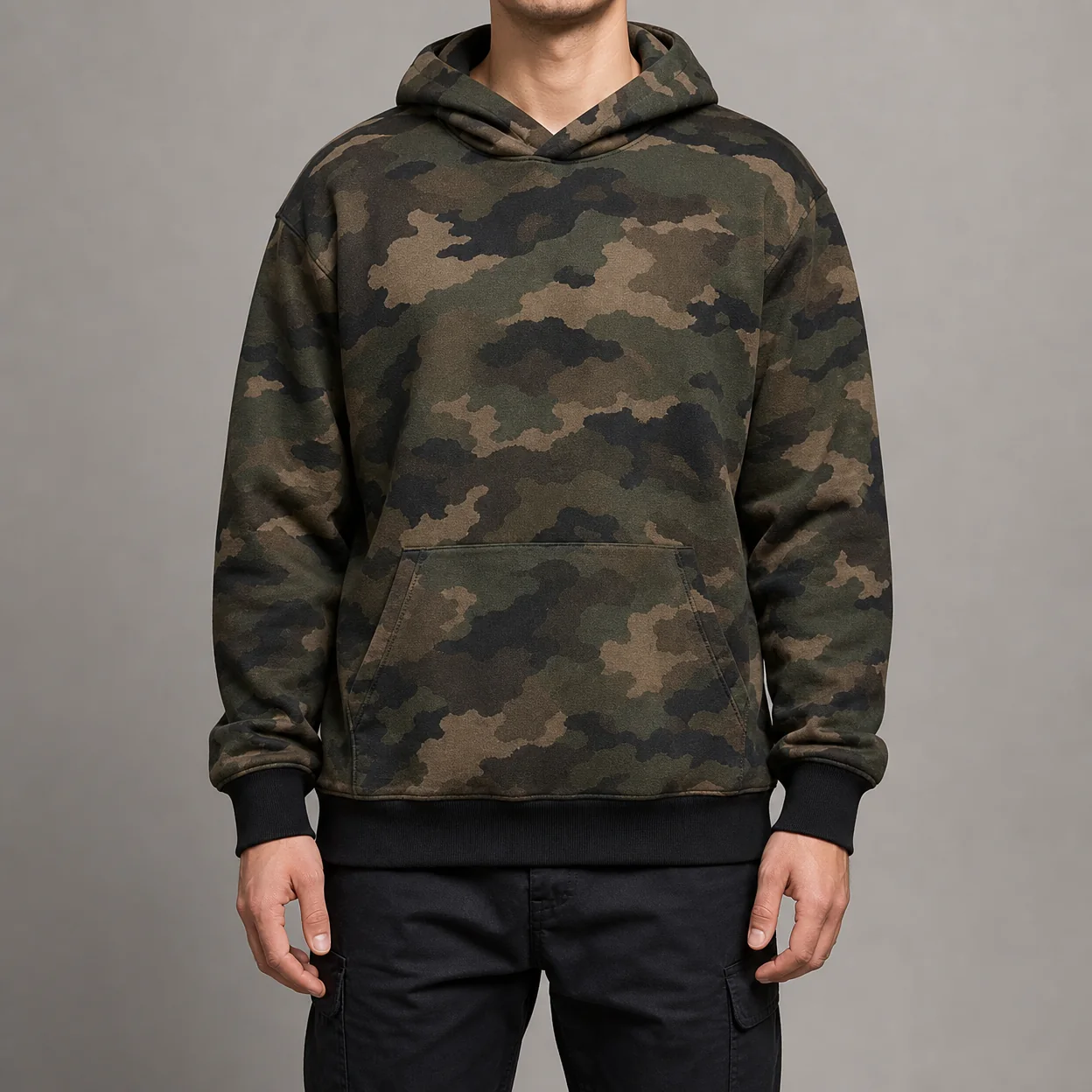 Style 09
Camo Hoodies
Camouflage graphics need a clear repeat, color direction, and placement plan. Confirm how the artwork aligns across the hood, body, sleeves, and pocket.
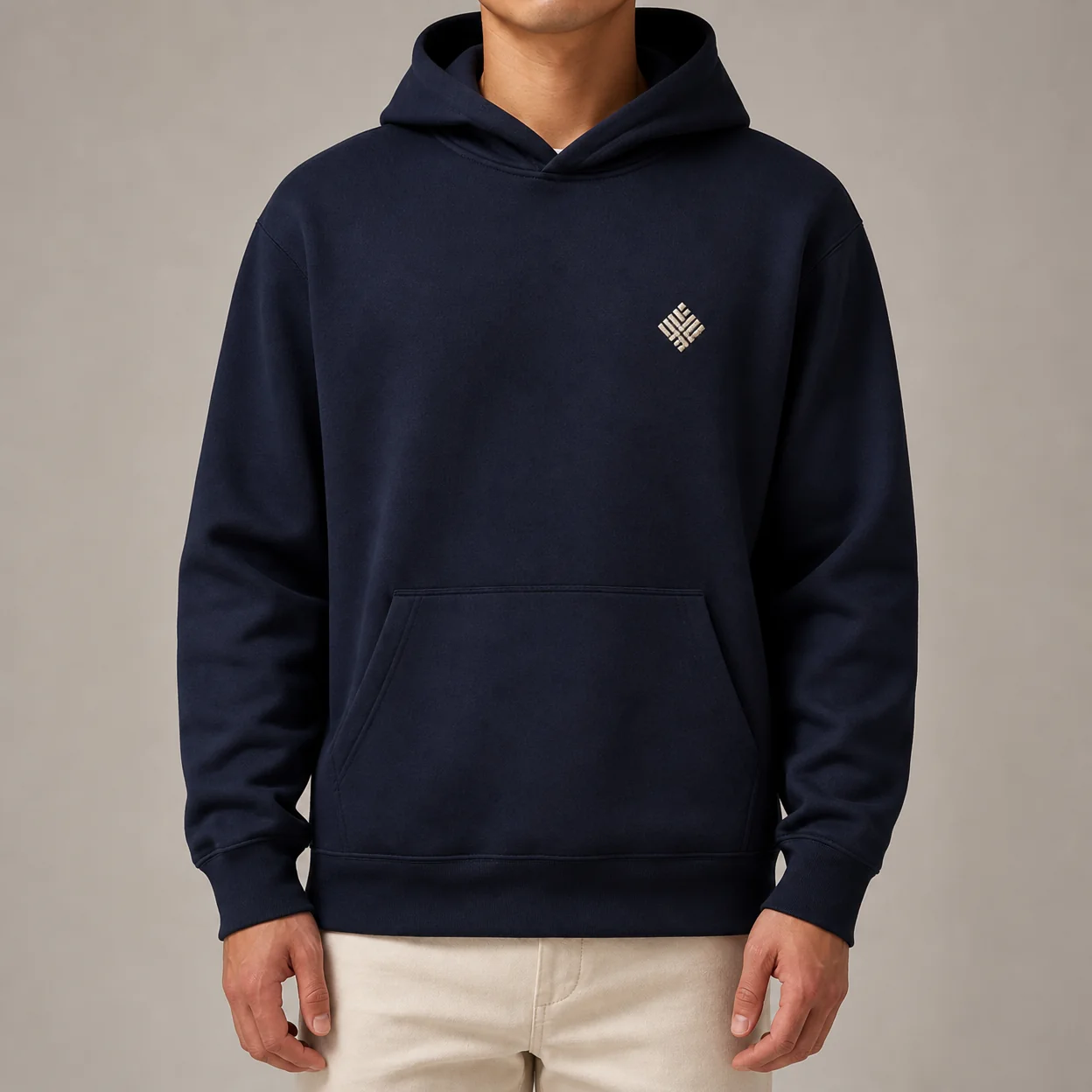 Style 10
Embroidered Hoodies
Embroidery adds texture and structure to the garment. Review the digitized file, stitch density, backing, placement, and how the fabric supports the design.
 Style 11
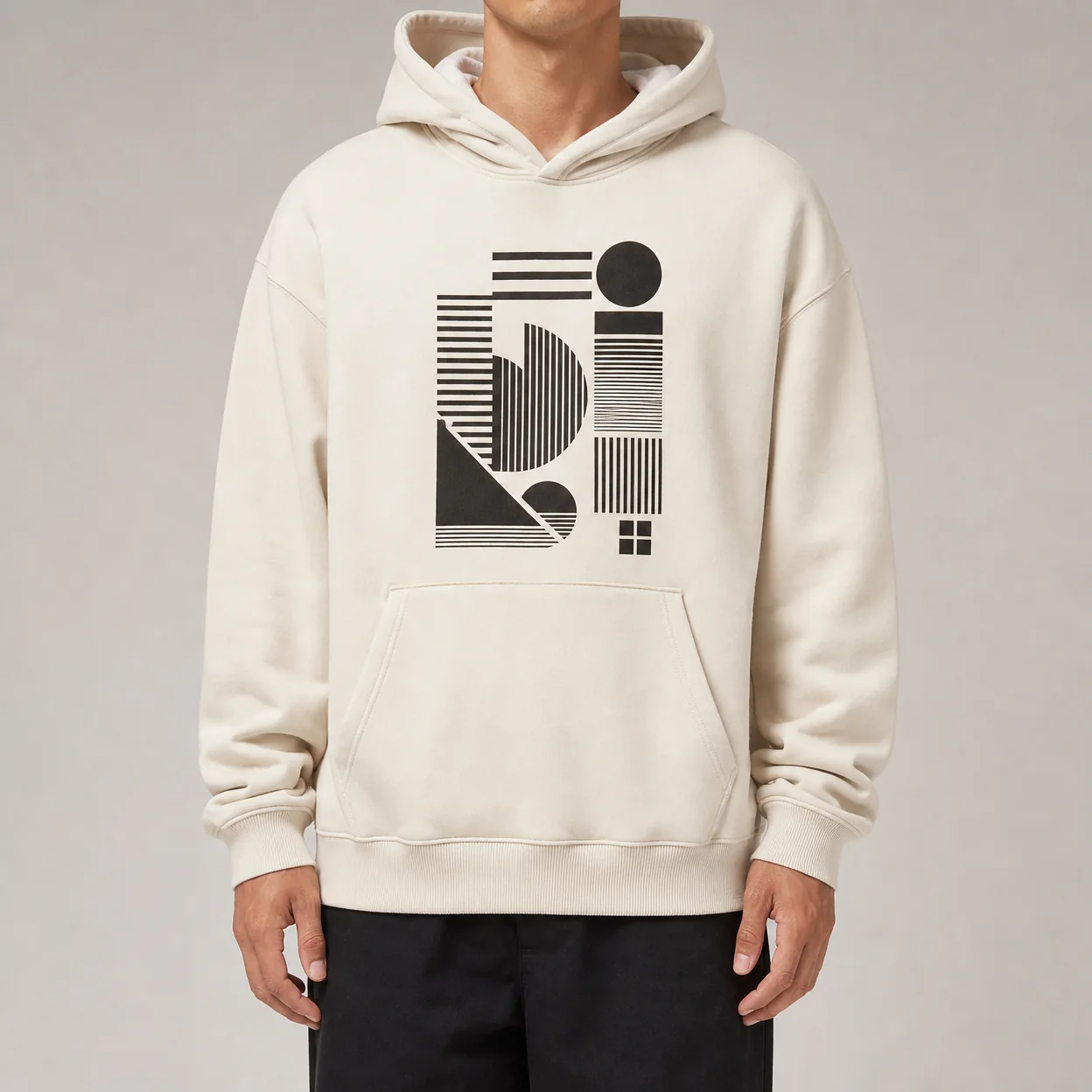
Graphic Screen-Printed Hoodies
Large graphics need a clear artwork file and placement reference. Confirm ink colors, print size, registration, handfeel, and wash expectations before bulk.
 Style 12
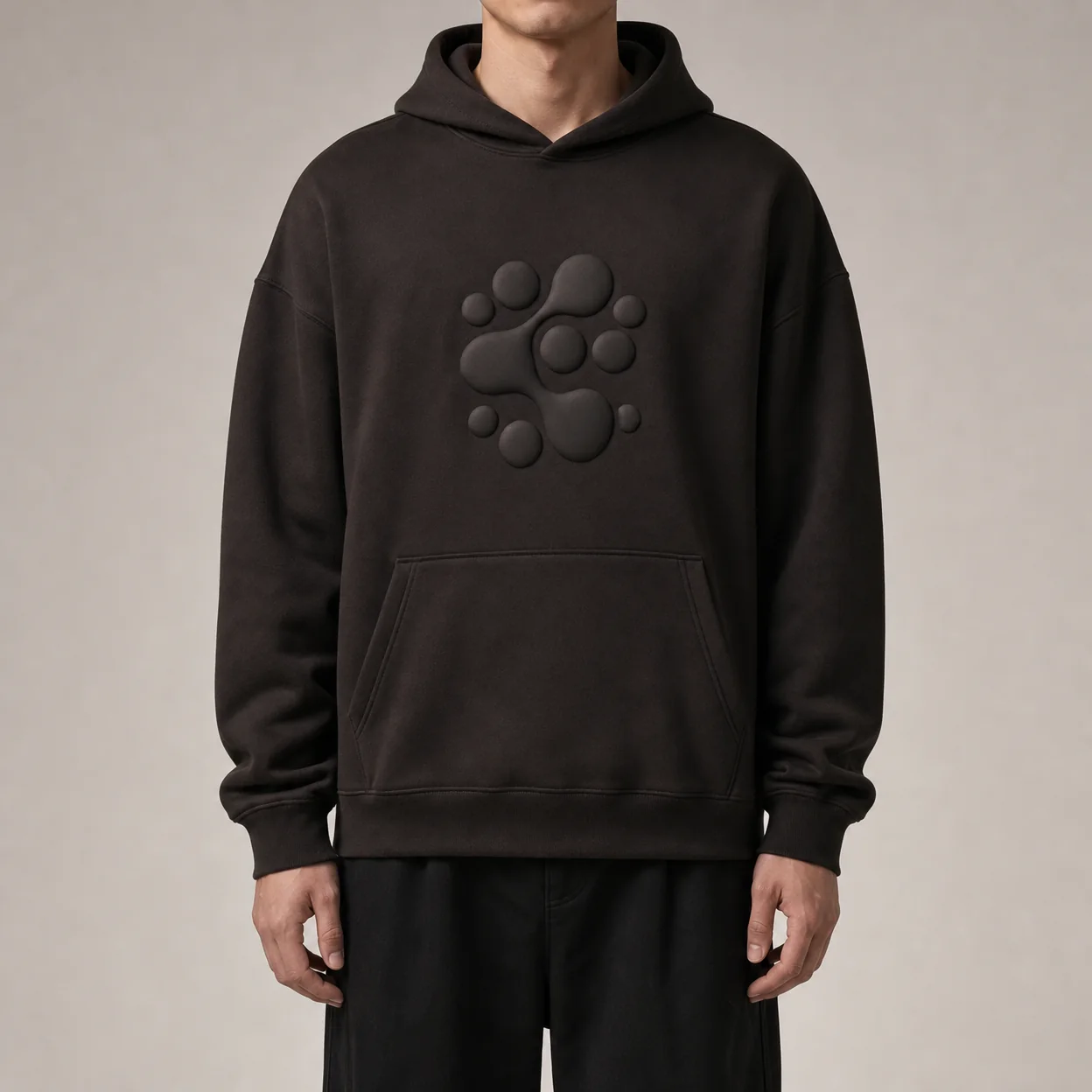
Puff-Print Hoodies
Puff print creates a raised graphic surface. Check the artwork detail, expansion, edge definition, pressure, placement, and final handfeel on the selected fabric.
03 / Custom specification
What should you confirm before sampling?
A hoodie is more than a front and back image. Confirm the measurements, fabric, construction, color, branding, and packing together. One change can affect several other details.
Prepare a product briefFit, measurements, and grading
Tell us who will wear the hoodie and how it should fit. A size chart, approved garment, or key measurements gives the sample team a clear starting point.
Hood and drawcord details
Choose the hood layers, panel shape, neckline, lining, drawcord, eyelets, and cord ends. Also check whether drawcords suit the age group and destination market.
Pocket, rib, seams, and trims
Show the pocket shape, rib depth, seam type, topstitching, reinforcement, zipper, snaps, and other hardware. Small construction details can change both appearance and cost.
Color and garment finish
Share a color reference and the finish you want: clean solid, melange, faded, washed, or another effect. The actual process depends on the chosen fabric.
04 / Fabric and GSM
Which fabric and GSM suit your hoodie?
GSM tells you the fabric weight per square metre. It does not tell you everything about warmth, softness, shrinkage, or quality. Compare real swatches as well as the composition, knit, surface, and finish.
Cotton
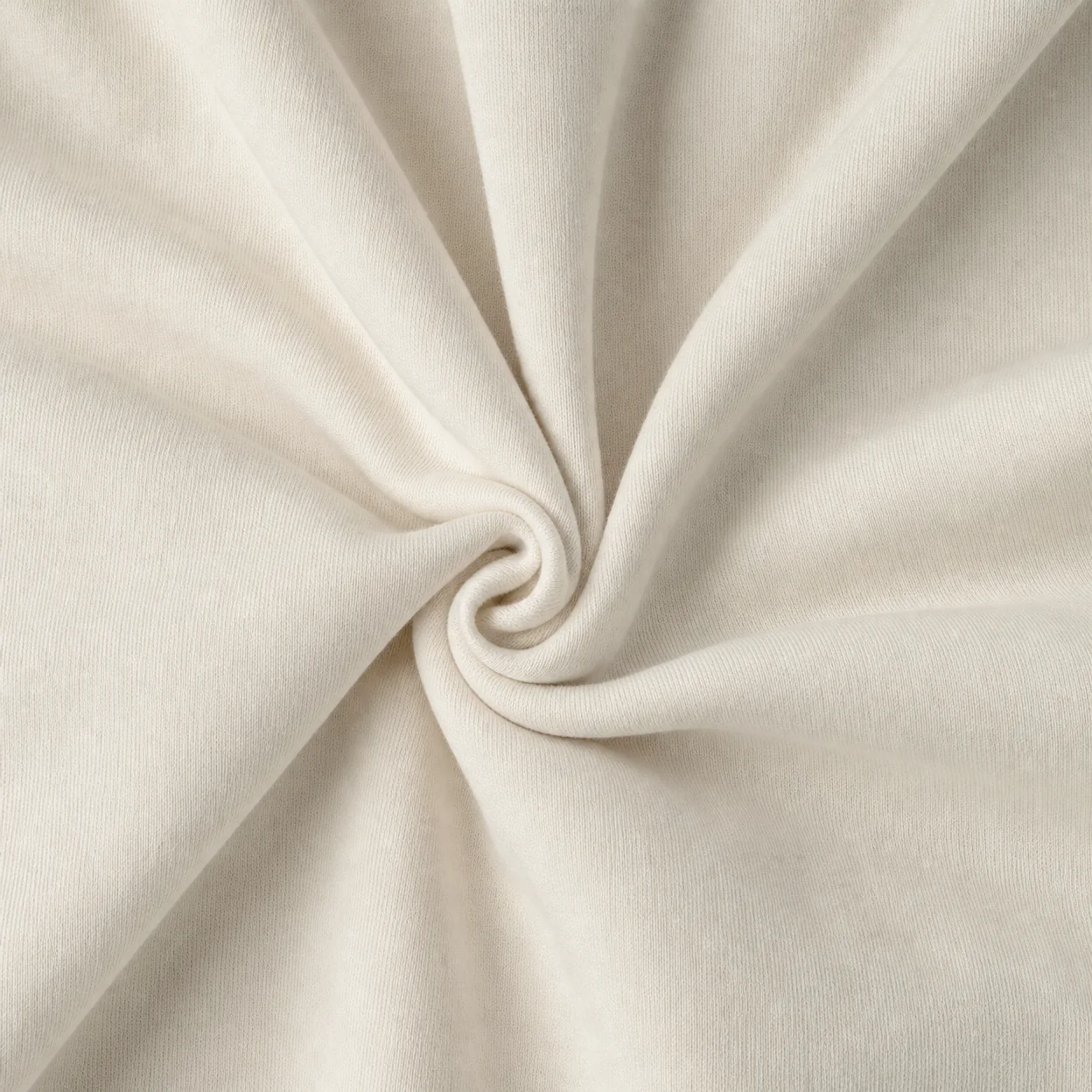
Cotton is often chosen for a natural feel. The yarn, knit, finish, shrinkage, color, and garment construction still need to match your product.
Brushed Fleece
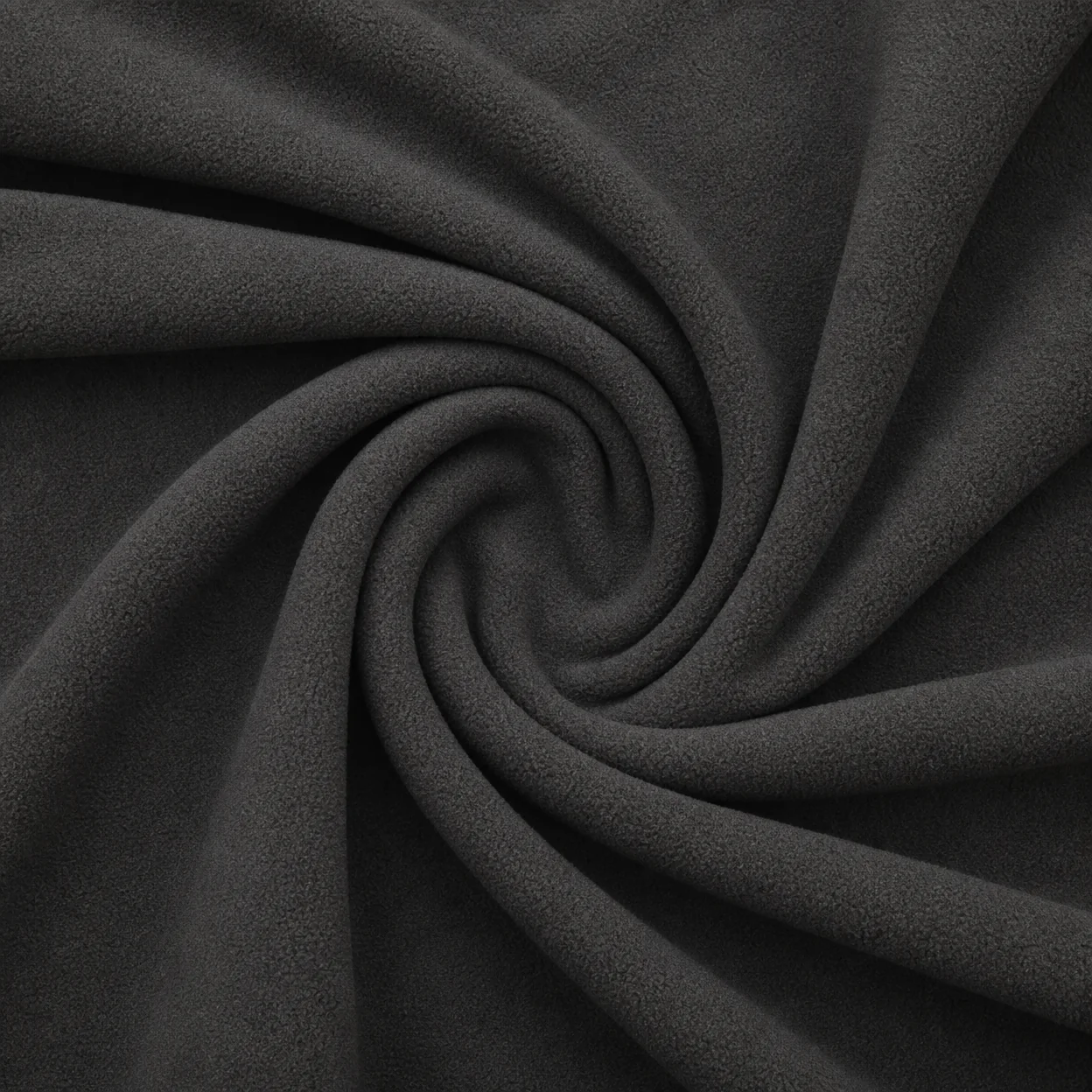
The brushed inside can feel warmer and softer. Check the pile, shedding, thickness, recovery, and how it works with seams, prints, and embroidery.
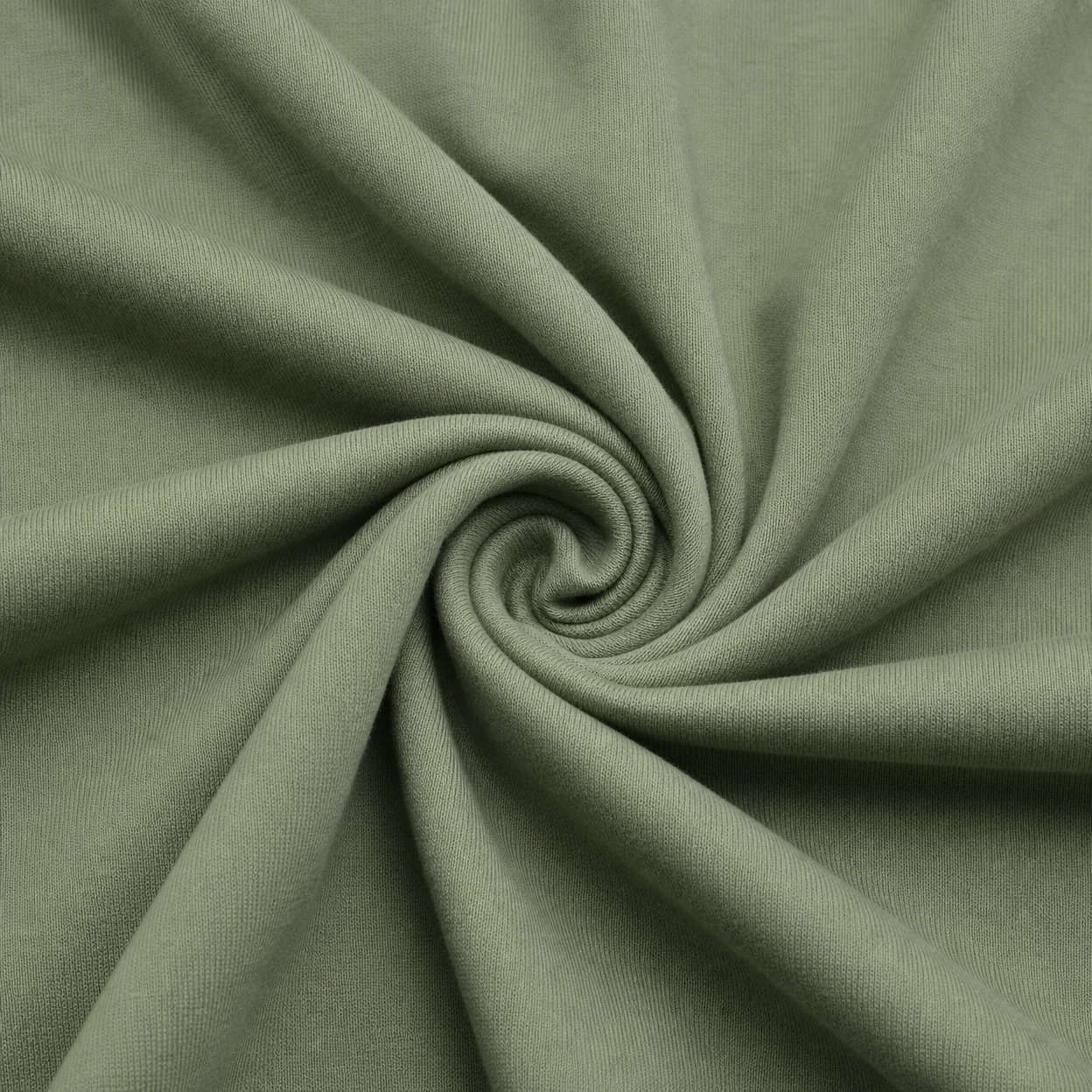
French Terry
French terry has loops on the inside instead of a fully brushed surface. Compare the loop structure, weight, stability, and wash result on a real swatch.

Polyester
Polyester may suit performance or easy-care products. Discuss stretch, surface, pilling, color method, moisture needs, and decoration before choosing the fabric.
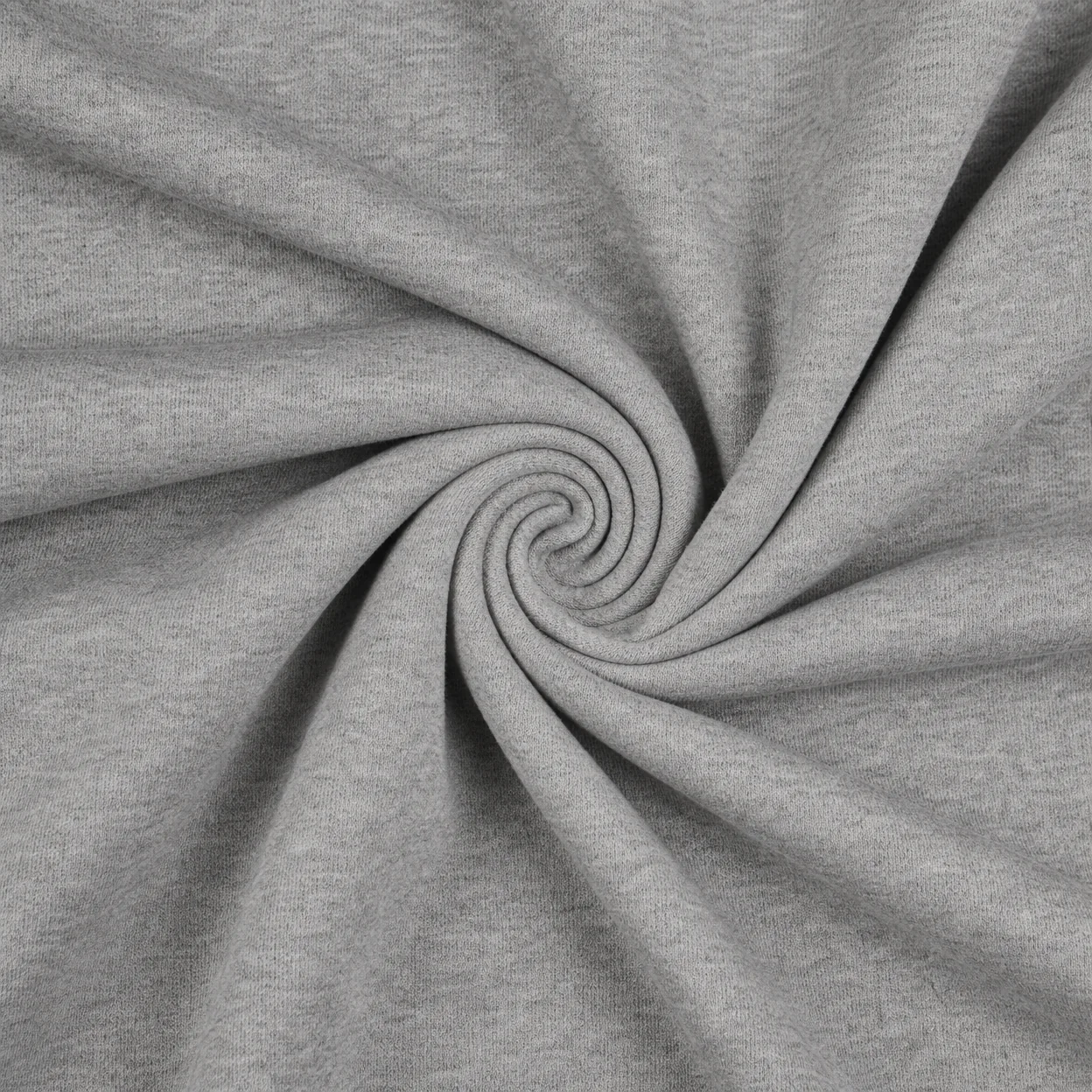
Cotton-Blend Fabrics
A blend can balance handfeel, stability, durability, and cost. The fiber ratio matters, but the knit and finishing also change how the hoodie performs.
05 / Logo application
How do you want your logo to look and feel?
Send vector artwork if you have it. Tell us the size, position, colors, surface effect, and wash expectations. Review a strike-off or decorated sample before bulk production.
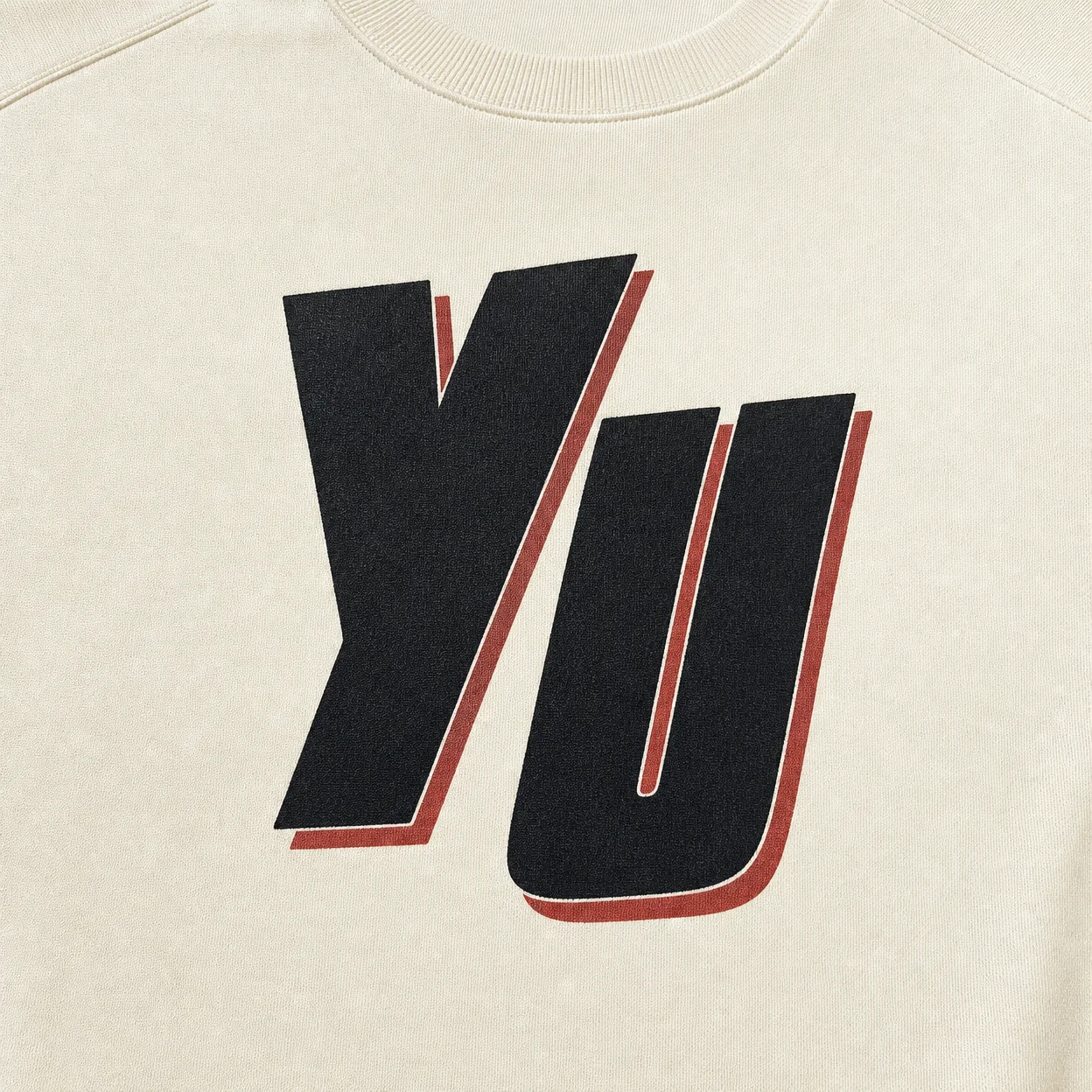 Process 01
Screen Printing
Works well for bold spot-color graphics. Send the artwork size, colors, placement, and preferred handfeel so the print can be tested on your fabric.
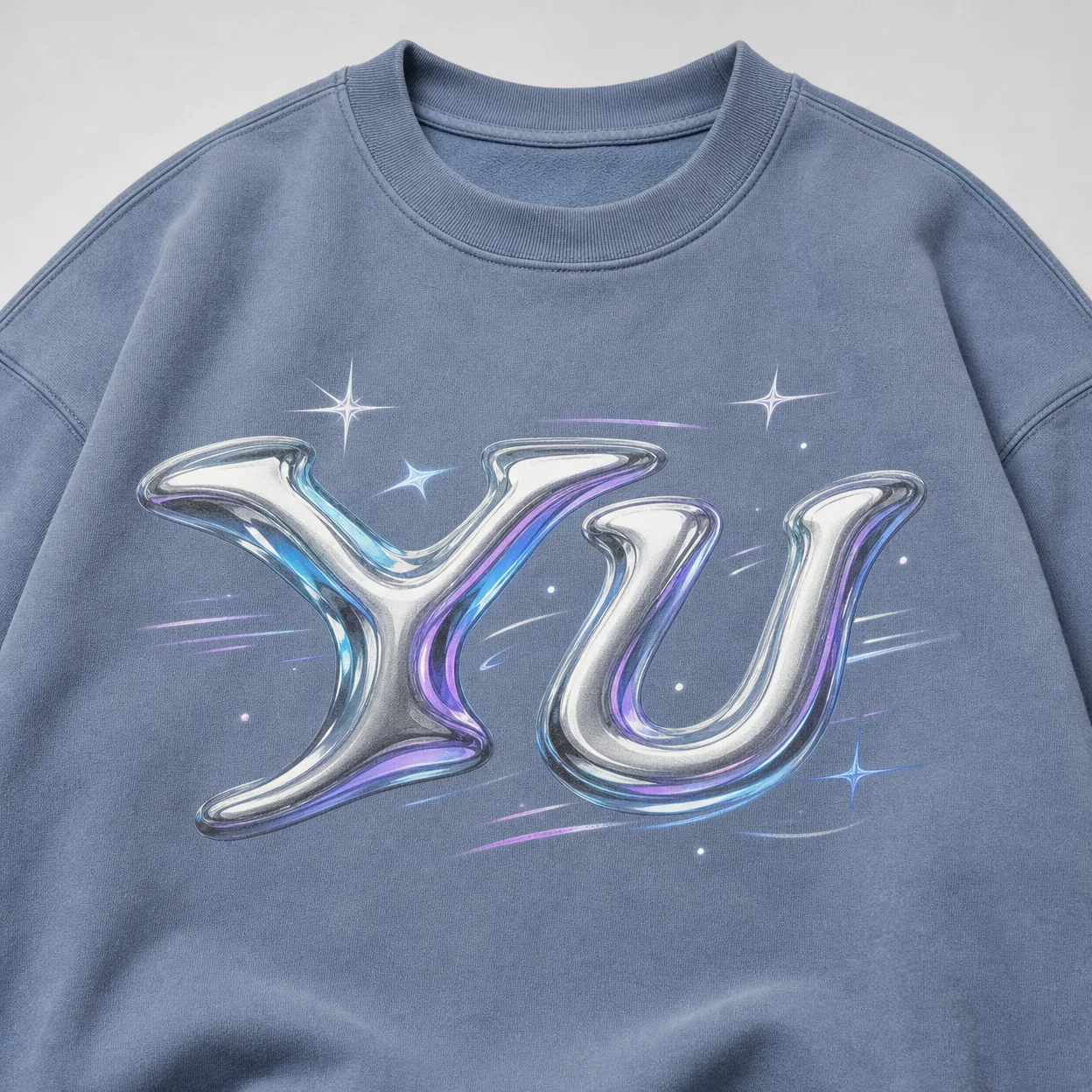 Process 02
DTG Printing
Useful for detailed or multicolor artwork on compatible garments. Check the print color, pretreatment, handfeel, and wash result before bulk approval.
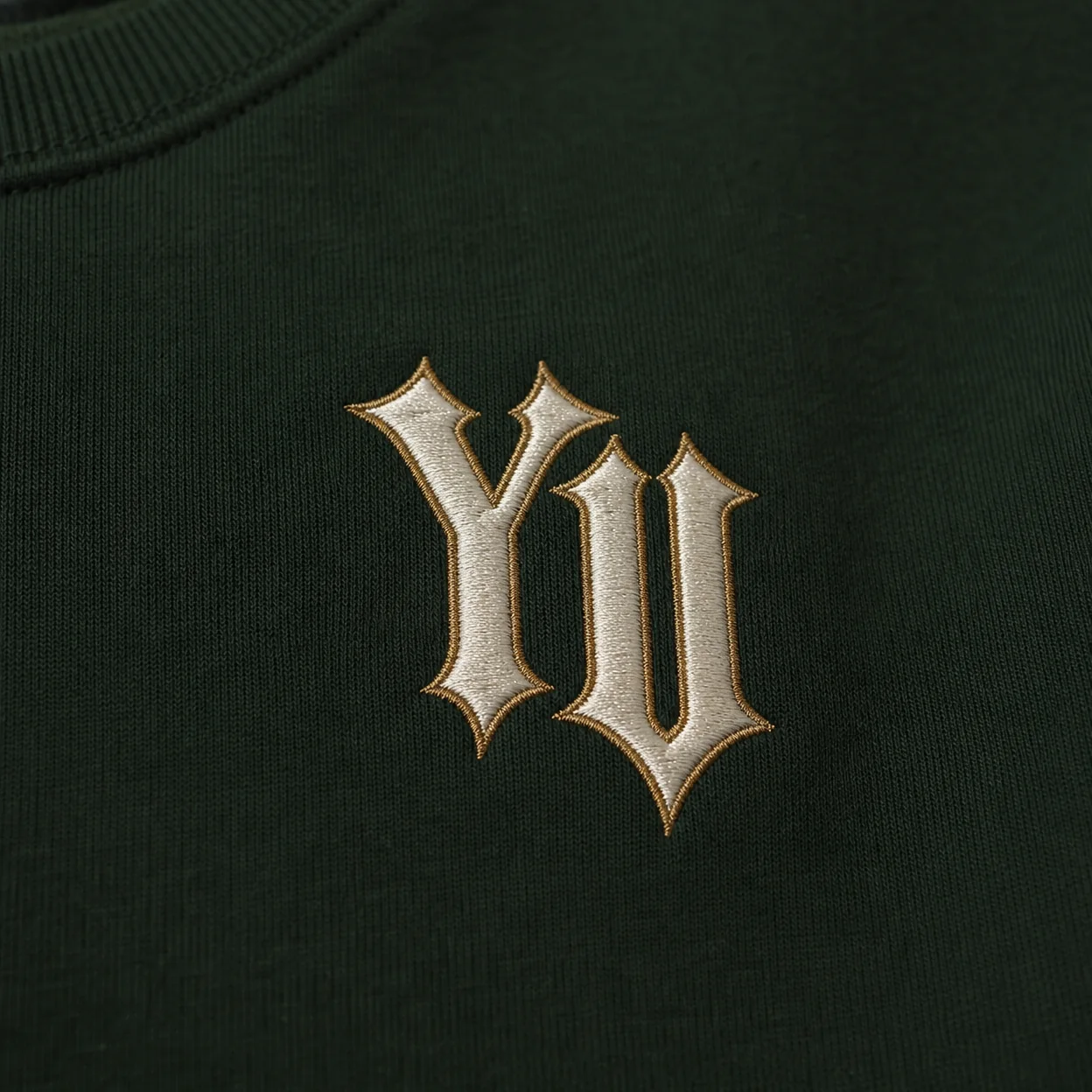 Process 03
Flat Embroidery
A durable choice for compact logos. Stitch count, thread, backing, edge quality, placement, and fabric stability all affect the finished result.
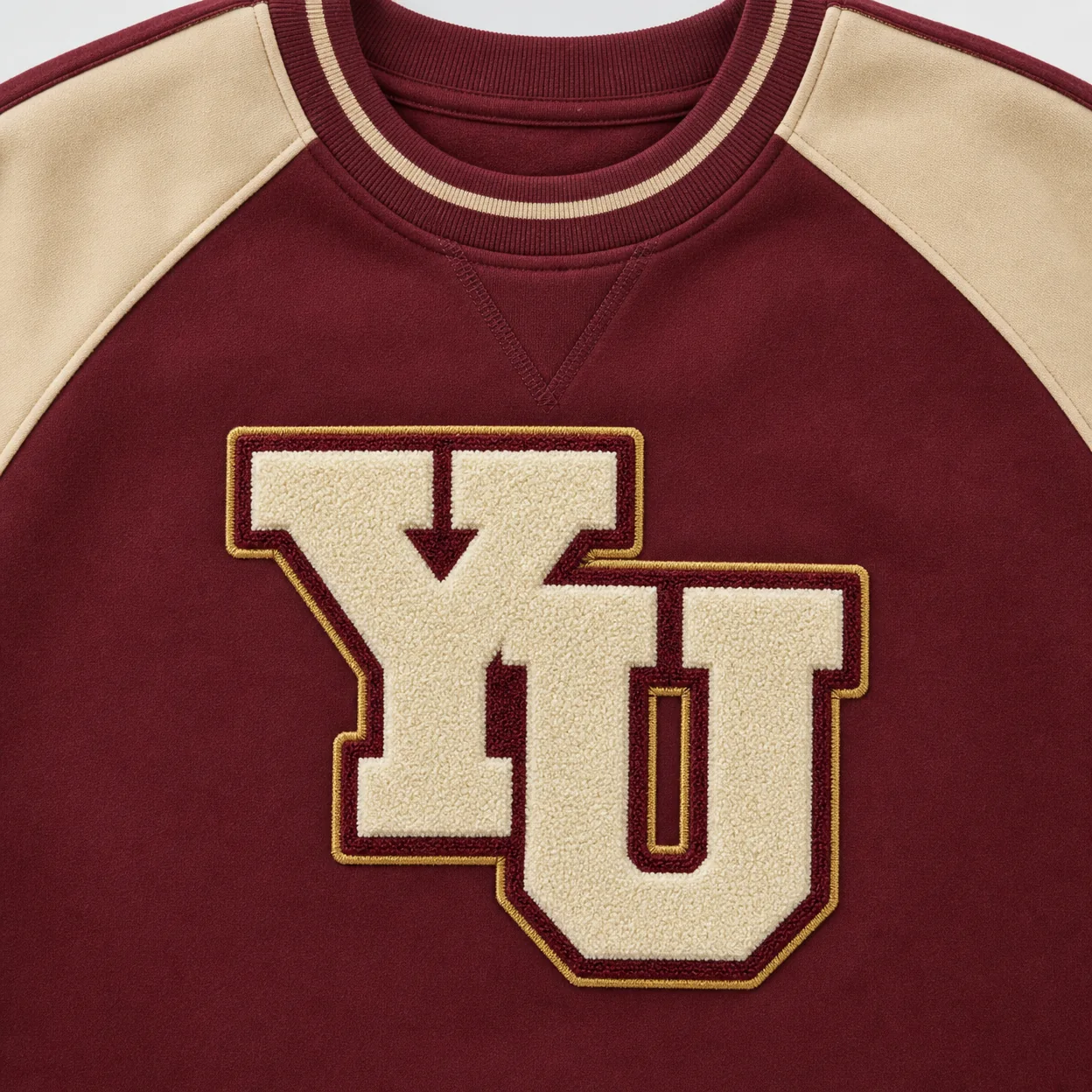 Process 04
Chenille Embroidery
Creates a raised varsity-style texture. Keep the artwork bold enough for clean borders and confirm the backing, garment weight, and embroidery details.
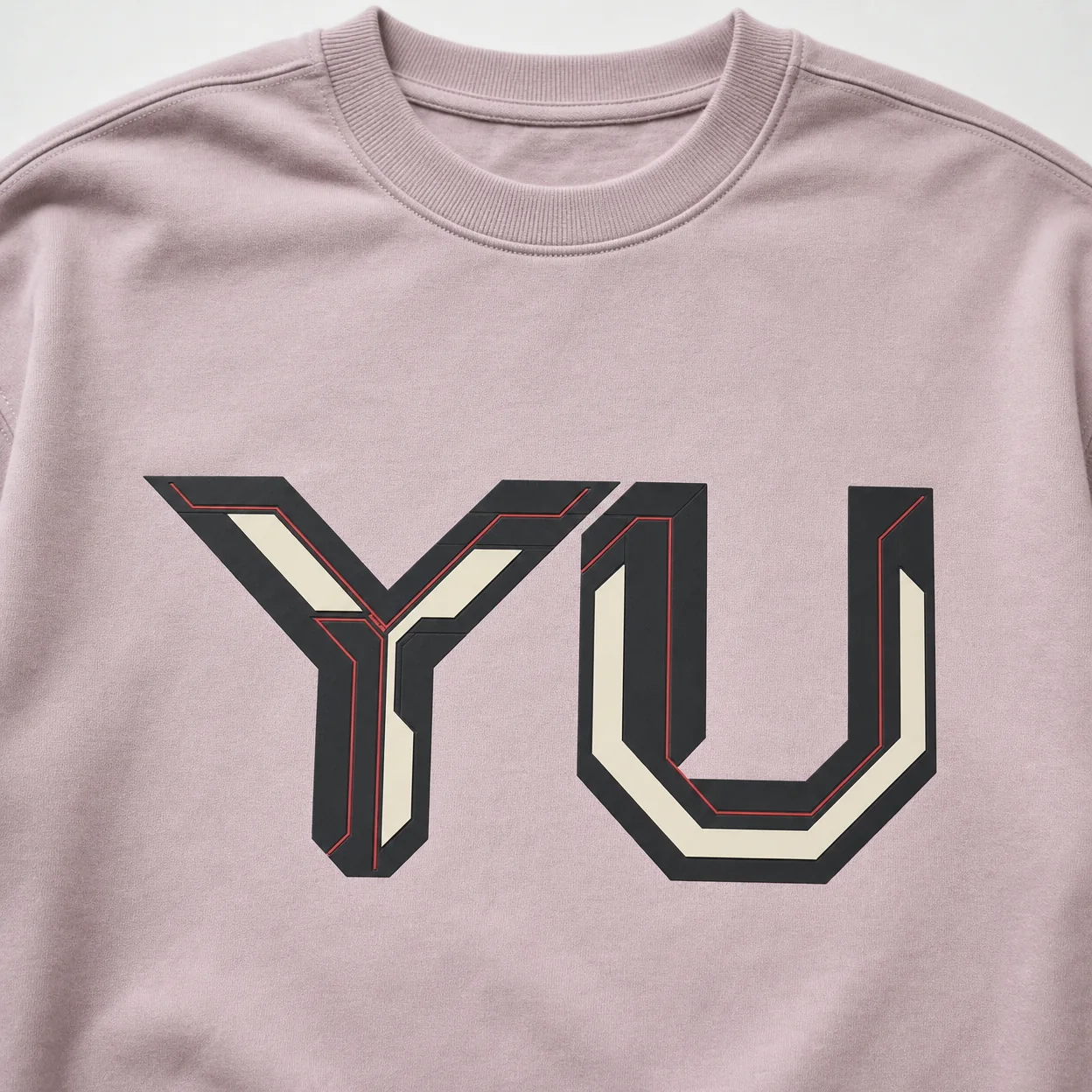 Process 05
Heat Transfer
Can work for small graphics, names, numbers, or special effects. Check flexibility, edges, pressing position, finish, and wash requirements on the selected fabric.
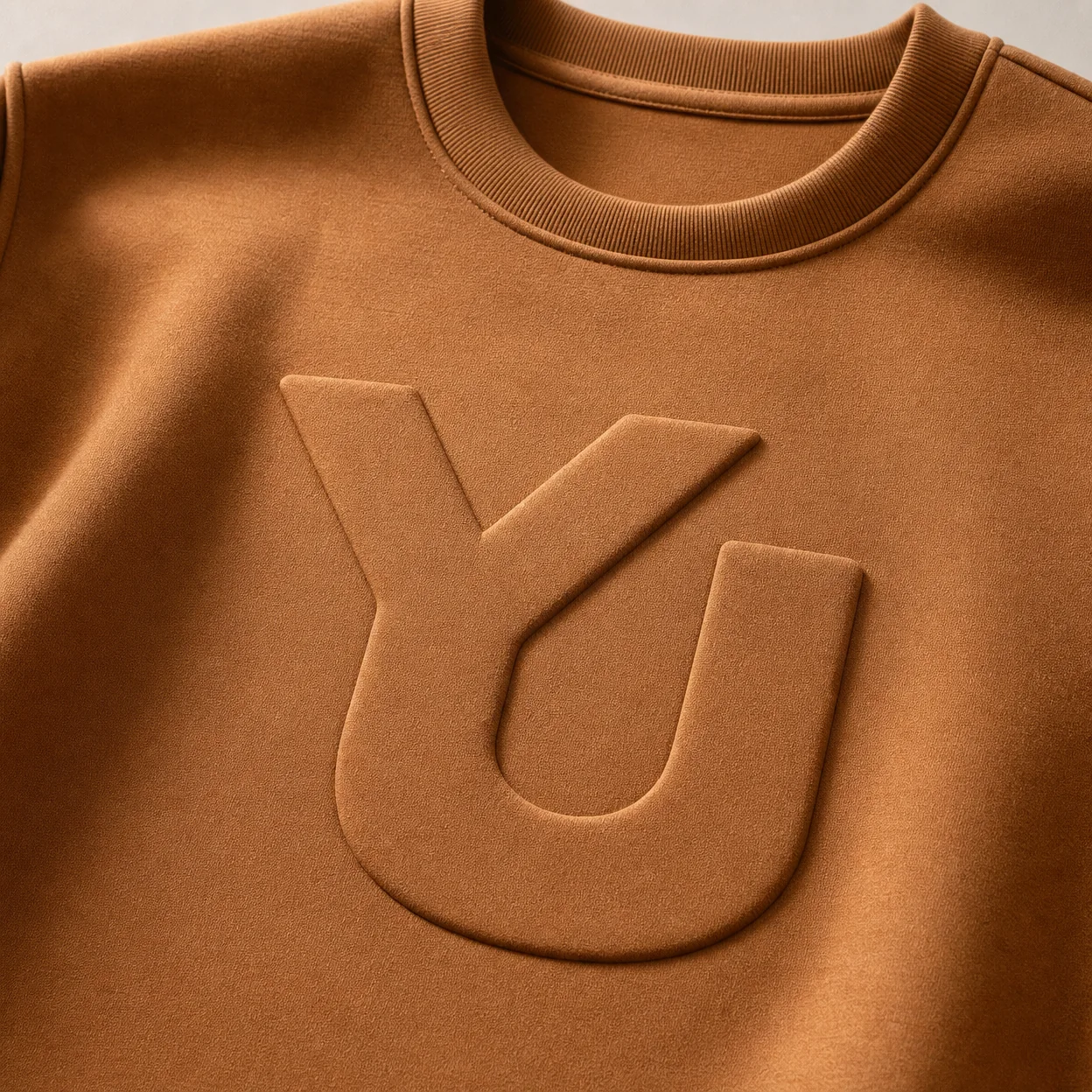 Process 06
Embossed or Debossed Effects
Choose this for a subtle raised or pressed effect. Feasibility depends on the fabric, backing, artwork detail, pressure method, and care expectations.
06 / Private labels
What should carry your brand name?
Your main label, size label, hangtag, bag sticker, and carton should use the same approved information. Confirm the wording, artwork, barcode, position, and attachment before production.
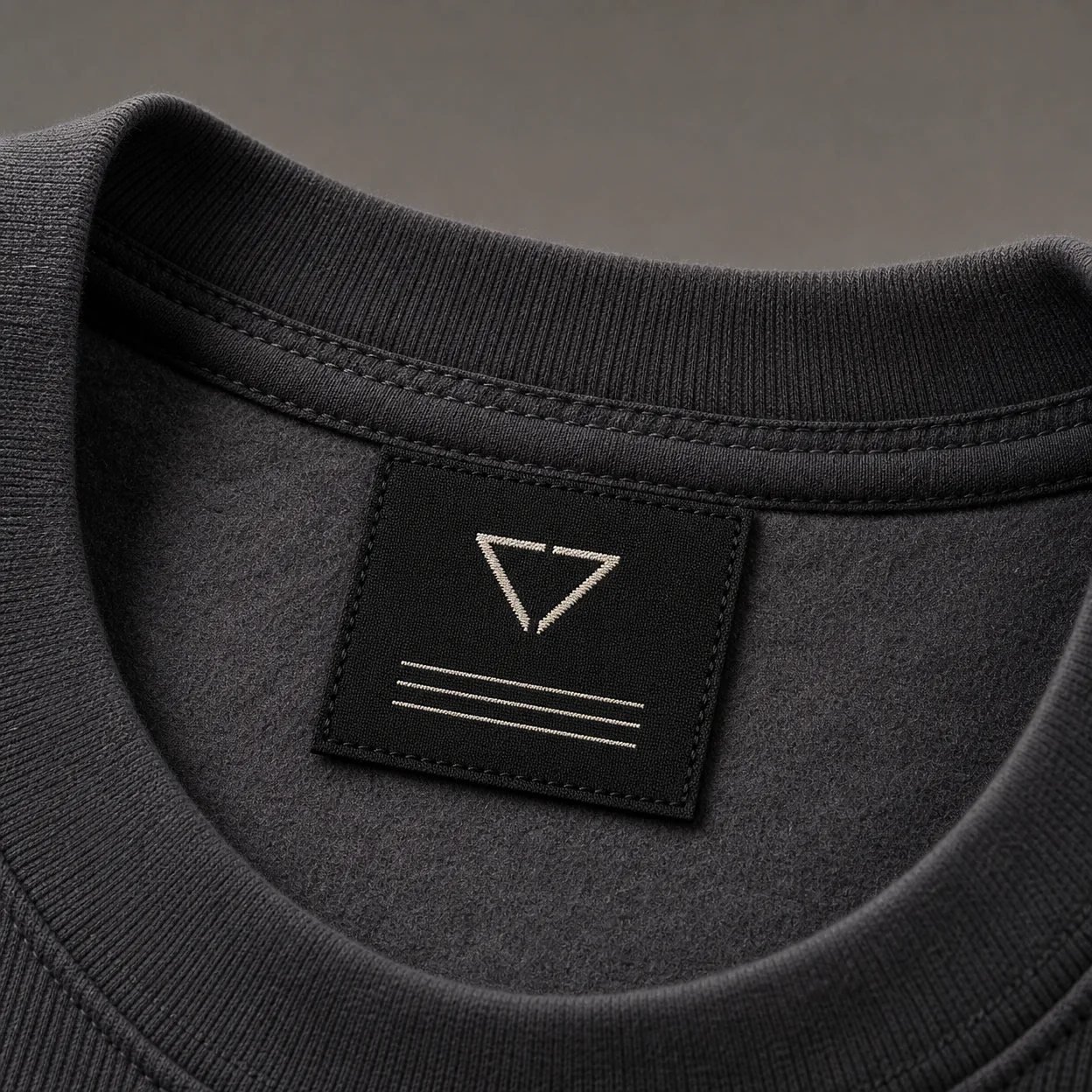
Woven Main Label
Send vector artwork and confirm the size, fold, colors, position, and sewing method. Review the label sample before it is used on bulk garments.
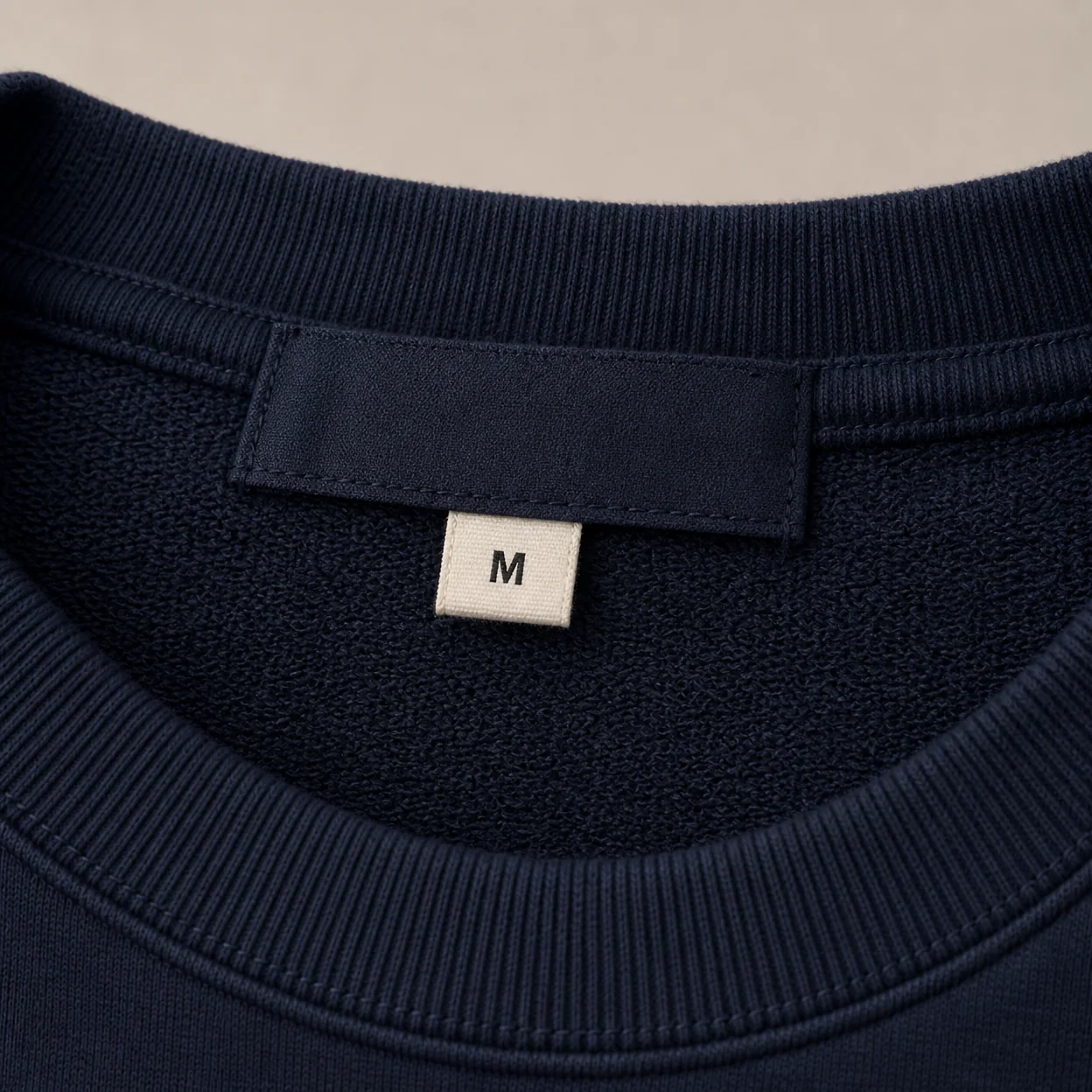
Size Label
Use the same size system on the garment, packing list, bag sticker, and carton. The label can be separate or combined with another label.
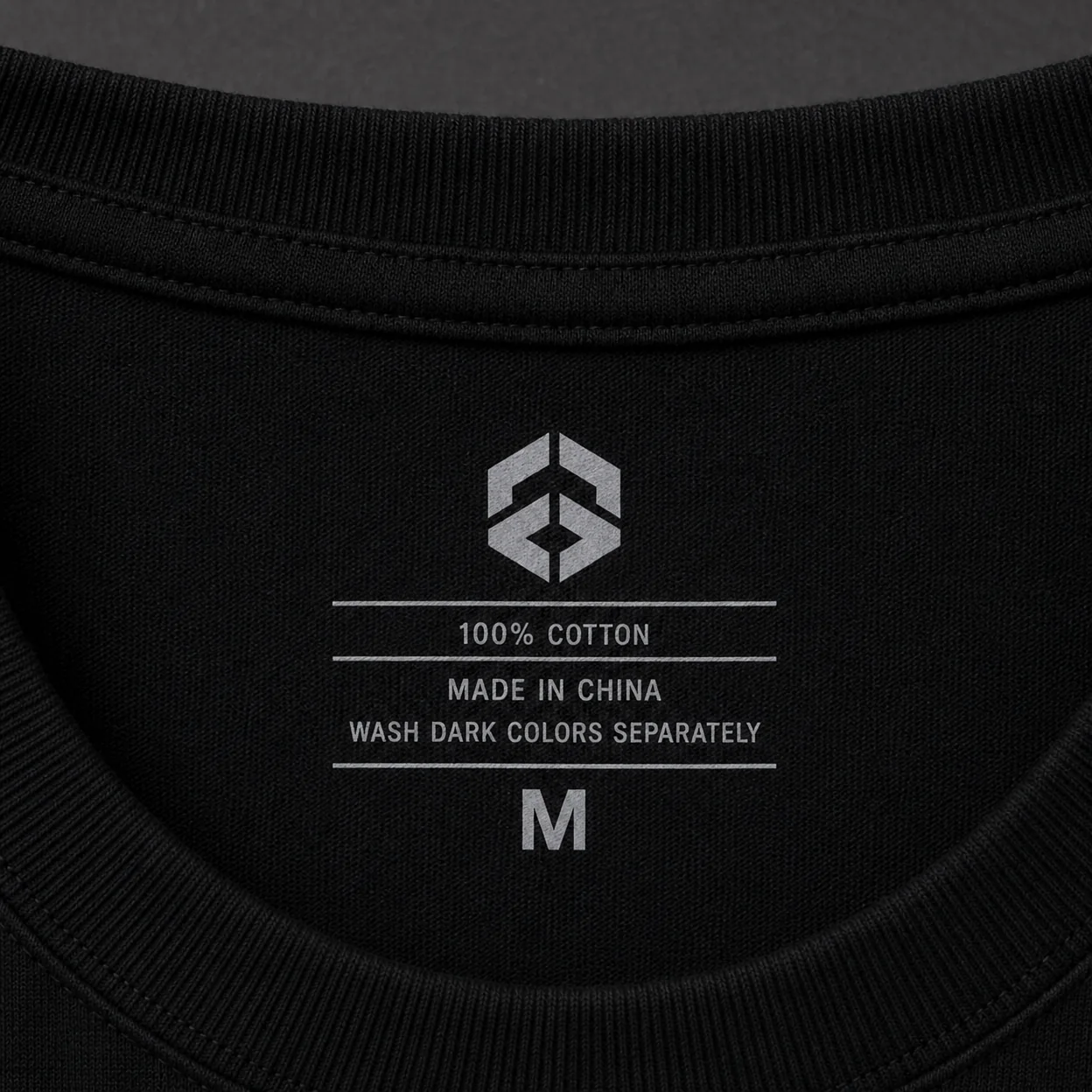
Heat Transfer Neck Label
A printed neck label can reduce sewn-in bulk on suitable fabrics. Test the opacity, position, pressing result, comfort, and wear resistance first.
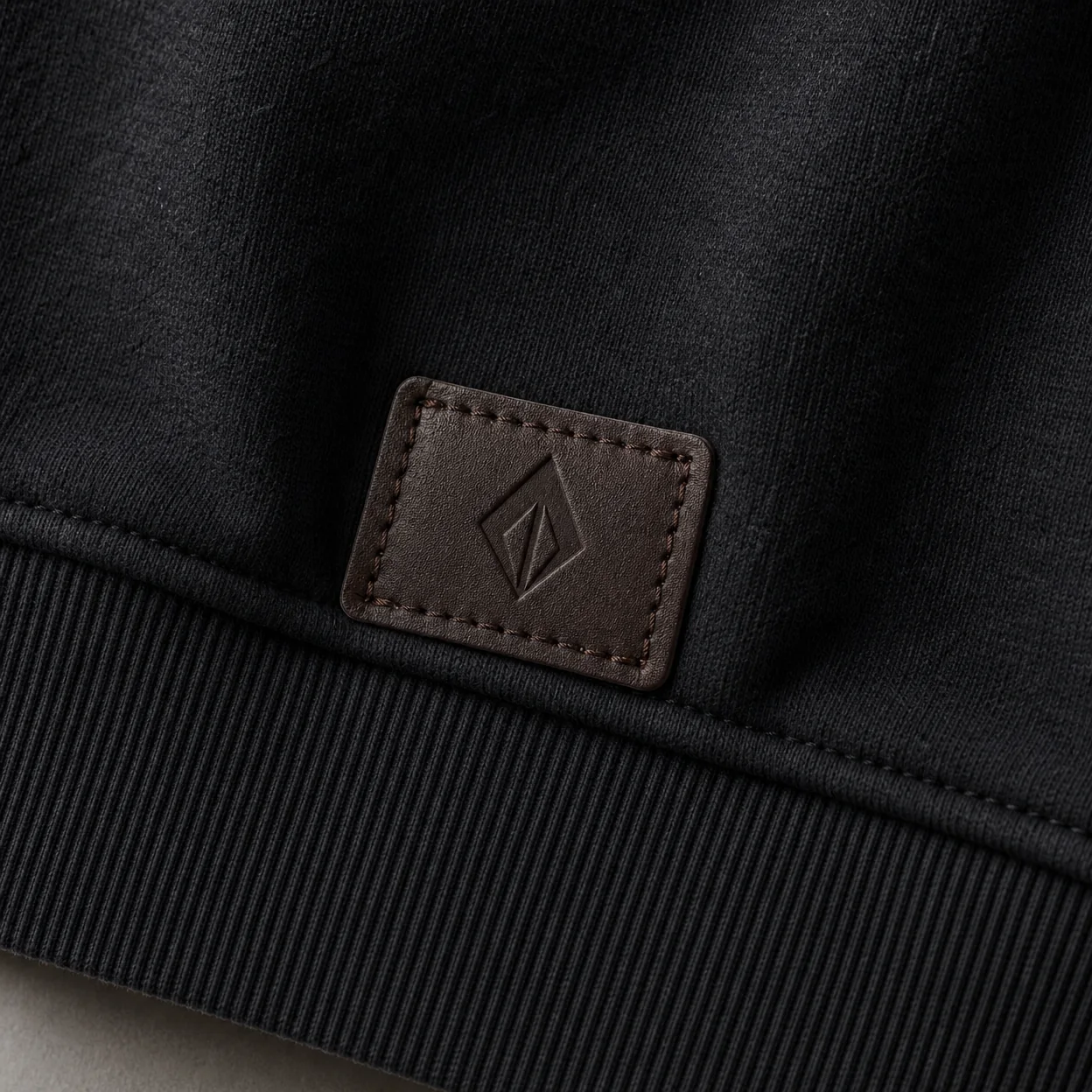
PU or Faux-Leather Patch
Patches can sit at the hem, pocket, or sleeve. Confirm the shape, thickness, color, surface effect, edge, and attachment method.
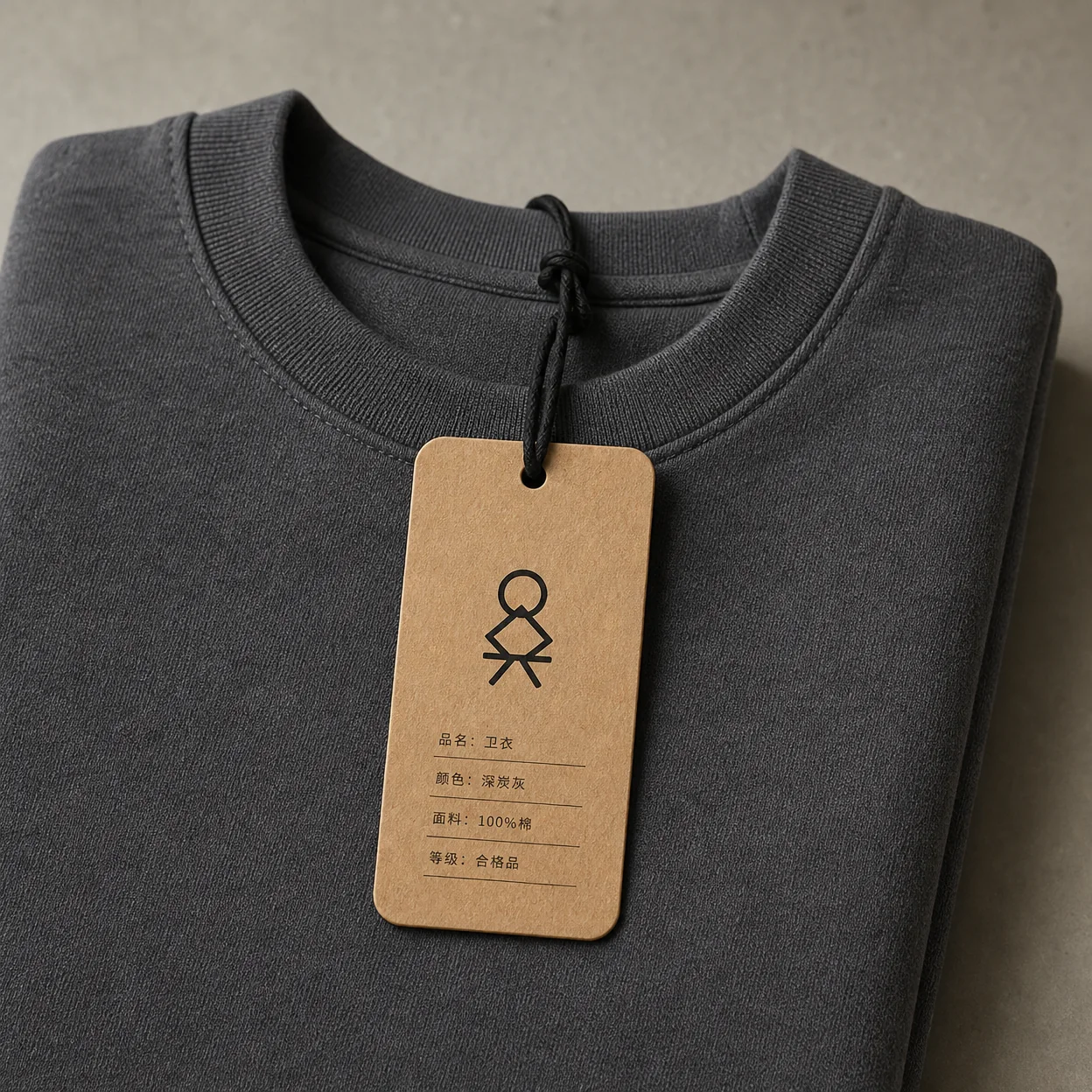
Custom Hangtag
Provide the final approved text and barcode. Then confirm the card, size, print, finish, string or fastener, and where the tag should be attached.
These label images are visual references. You must supply or approve the final wording, fiber content, origin, care instructions, compliance text, and barcode for your market.
07 / MOQ and quotation
What affects your MOQ and unit price?
There is no useful fixed answer without seeing the hoodie. Fabric, color, construction, artwork, labels, quantity, and packing can all change the MOQ and price.
What affects your MOQ?
MOQ can change with fabric availability, custom color, washing, decoration, labels, trims, and your size and color split. Tell us the quantity you want to test and scale.
What affects your unit price?
Price depends on fabric use, construction time, artwork, trims, labels, testing, packing, quantity, and delivery terms. A complete brief makes the quote more useful.
How do you compare supplier quotes?
Send every supplier the same specification. Include measurements, fabric, artwork, labels, quantity, packing, destination, and trade terms so you are comparing the same product.
08 / Sampling to bulk
How does your hoodie move from idea to bulk production?
The goal is simple: make the product clear, check a physical sample, record your approval, and use that reference when the order moves into production.
- 01
Tell us what you want to make
Share the style, quantity, target customer, references, fit, fabric, artwork, labels, packing, destination, and timing. We’ll identify what is still missing.
- 02
Confirm the product details
Before sampling, both sides should understand the material, measurements, construction, branding, sample needs, price factors, and expected project schedule.
- 03
Make and review the sample
Use the physical sample to check fit, fabric, sewing, trims, artwork, and labels. The sample type and timing depend on the product.
- 04
Send one clear set of comments
Measure and wear the sample, then mark every requested change in one file. This gives the next sample or bulk order a cleaner reference.
- 05
Move into bulk production
Once the sample and commercial details are approved, the order can move through cutting, sewing, decoration, finishing, checks, and packing.
09 / Quality checkpoints
What should be checked before your hoodies are packed?
Agree on the inspection method, tolerances, defect rules, and report before production. The checkpoints below show what to plan; they are not a fixed AQL promise for every order.
Check the incoming fabric
Compare the material with the approved reference. Check identity, color, width, weight or construction where needed, surface condition, and visible defects.
Check the hoodie while it is being sewn
Look at key measurements, seams, stitching, pocket and zipper alignment, reinforcement, matching, and obvious workmanship problems during production.
Check artwork and labels
Confirm placement, size, spelling, color, direction, and attachment against the approved files. The buyer must approve all barcode and legal label content.
Check the finished order and packing
Review garments, quantities, size and color assortments, labels, folding, bags, carton marks, and documents using the agreed inspection plan.
10 / Packaging and delivery
How should your hoodies be packed and delivered?
Tell us what happens after the cartons leave production. Retail, e-commerce, warehouse, and wholesale orders may need different labels, bags, carton assortments, and delivery documents.
Pack each hoodie
Confirm how the hoodie should be folded, bagged, labeled, and identified. Add inserts, warning text, stickers, or barcodes only when your sales channel needs them.
Plan the carton assortment
Choose solid-size or mixed-size cartons, units per carton, shipping marks, order references, destination labels, and the packing-list format.
Confirm the delivery handoff
Share the country, delivery address or port, target date, transport preference, Incoterm, and document needs. Freight cost and timing are confirmed for each shipment.
11 / Production environment
Where does each production step happen?
These photos show garment-production equipment and working areas. Use them together with live communication, current company details, project records, and any documents you need to verify before ordering.
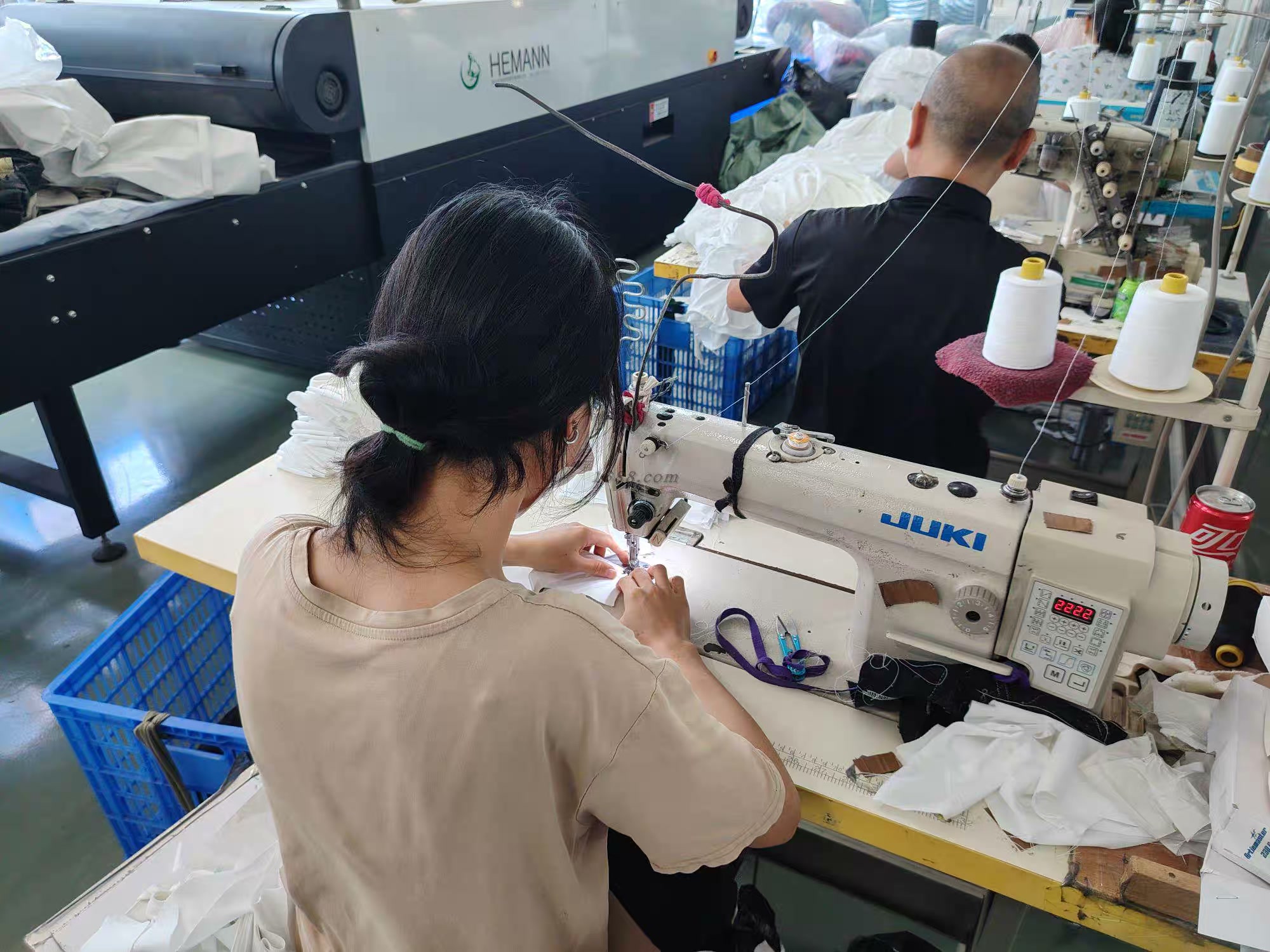 Stage 01
Prepare the pattern and marker
Patterns define the garment pieces. Markers organize those pieces for cutting and help the team follow the approved measurements and size range.
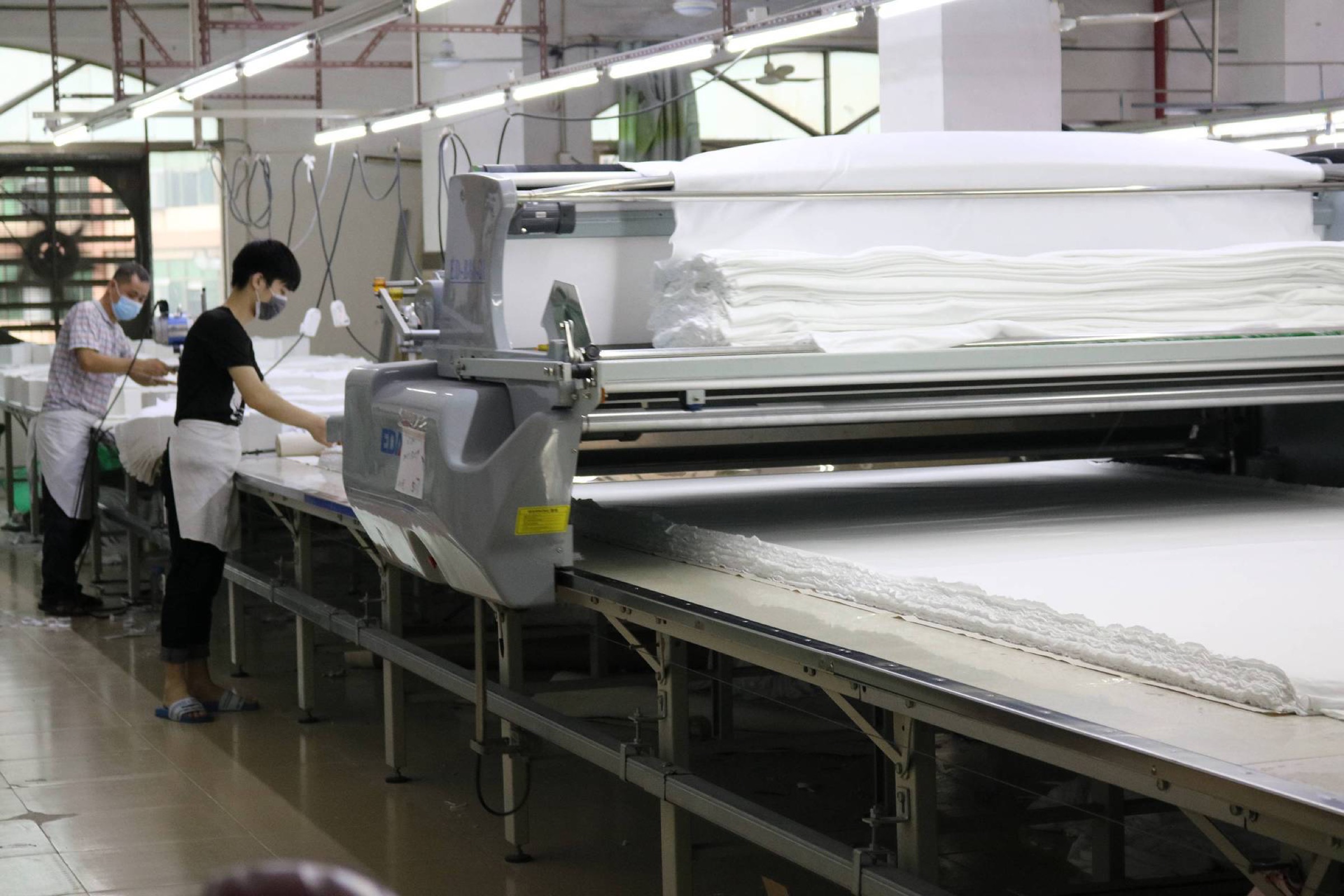 Stage 02
Cut the fabric
Fabric is prepared and cut into the required panels. The cutting plan depends on the fabric, sizes, colors, and product construction.
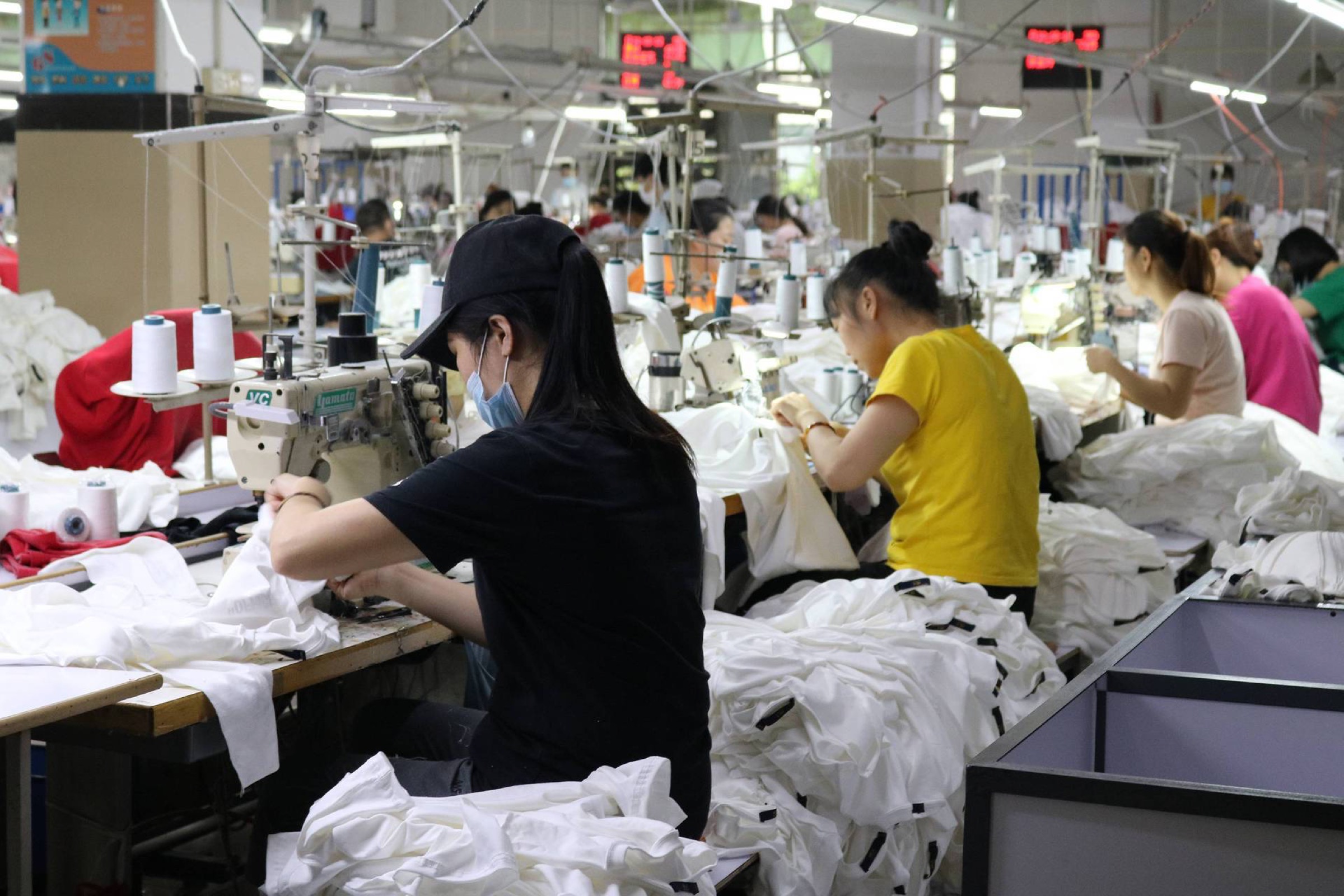 Stage 03
Sew the hoodie
The sewing team joins the body, sleeves, hood, pocket, rib, zipper, labels, and reinforcement points according to the approved specification.
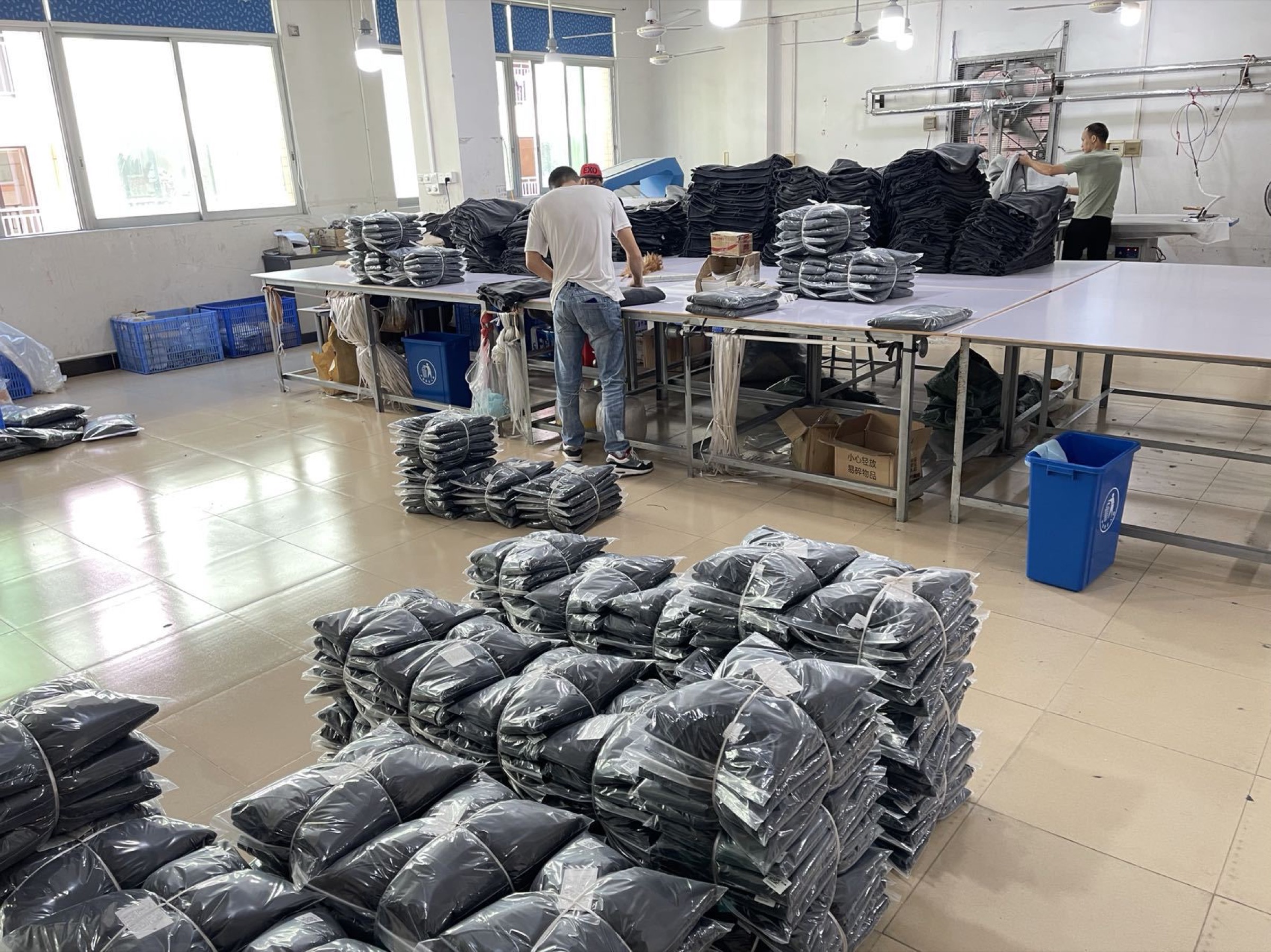 Stage 04
Finish and prepare for packing
Finished hoodies are checked, trimmed, pressed where suitable, folded, and prepared for the packing method confirmed with the buyer.
12 / Buyer questions
Questions buyers ask before ordering hoodies.
Start with the answers below, then confirm project-specific details in the quote, sample record, order documents, and production plan.
01What should I send for a custom hoodie quote?
Send product photos or a tech pack, your size chart, target fit, fabric or GSM preference, colors, quantity, artwork, labels, packing, destination, and target date. If something is undecided, tell us. We can separate confirmed details from open questions.
02Can I start without a complete tech pack?
Yes. You can start with a reference garment, annotated photos, sketches, and key measurements. A complete tech pack is clearer, but missing information can be identified before an accurate quote or sample is prepared.
03What is the MOQ for custom hoodies?
MOQ is confirmed for each project. It depends on fabric, color, washing, construction, artwork, labels, trims, and the size and color split. Send the quantity you want to test and your expected reorder quantity.
04How long do samples and bulk production take?
The schedule depends on the style, material, decoration, labels, sample type, revisions, quantity, packing, and season. Once these details are clear, the project can be given a more useful timeline.
05How do we keep bulk production close to the approved sample?
Use the approved sample and written specification as the shared reference. Record measurements, materials, artwork, labels, approved changes, tolerances, and the inspection method before bulk production begins.
06Which GSM should I choose for a hoodie?
Start with the climate, season, fit, layering use, price range, and handfeel you want. Then compare real swatches. GSM matters, but composition, knit, brushing, and finishing also change the result.
07Can I add custom labels, hangtags, and packaging?
These items can be included in the product brief. Send final artwork, wording, dimensions, placement, barcode data, and packing instructions. Feasibility and minimums are confirmed for each item.
08How do I start a hoodie manufacturing inquiry?
Send one focused product brief through the contact page. Include the style, quantity, sizes, colors, references, fabric, branding, destination, and target date. That is enough to begin identifying the next decisions.
13 / Start your inquiry
Ready to discuss your hoodie?
Send the product, quantity, branding, destination, and open questions together. You do not need every answer before you contact us.
Discuss your hoodie projectShow us the product
Send style references, the fit, size range, measurements, colors, and expected quantity.
Explain the fabric and branding
Add your fabric or GSM preference, artwork, decoration, labels, trims, and packaging.
Add the order details
Tell us the destination, target date, sample needs, trade terms, and any document requirements.